

Kom Ombo Temple
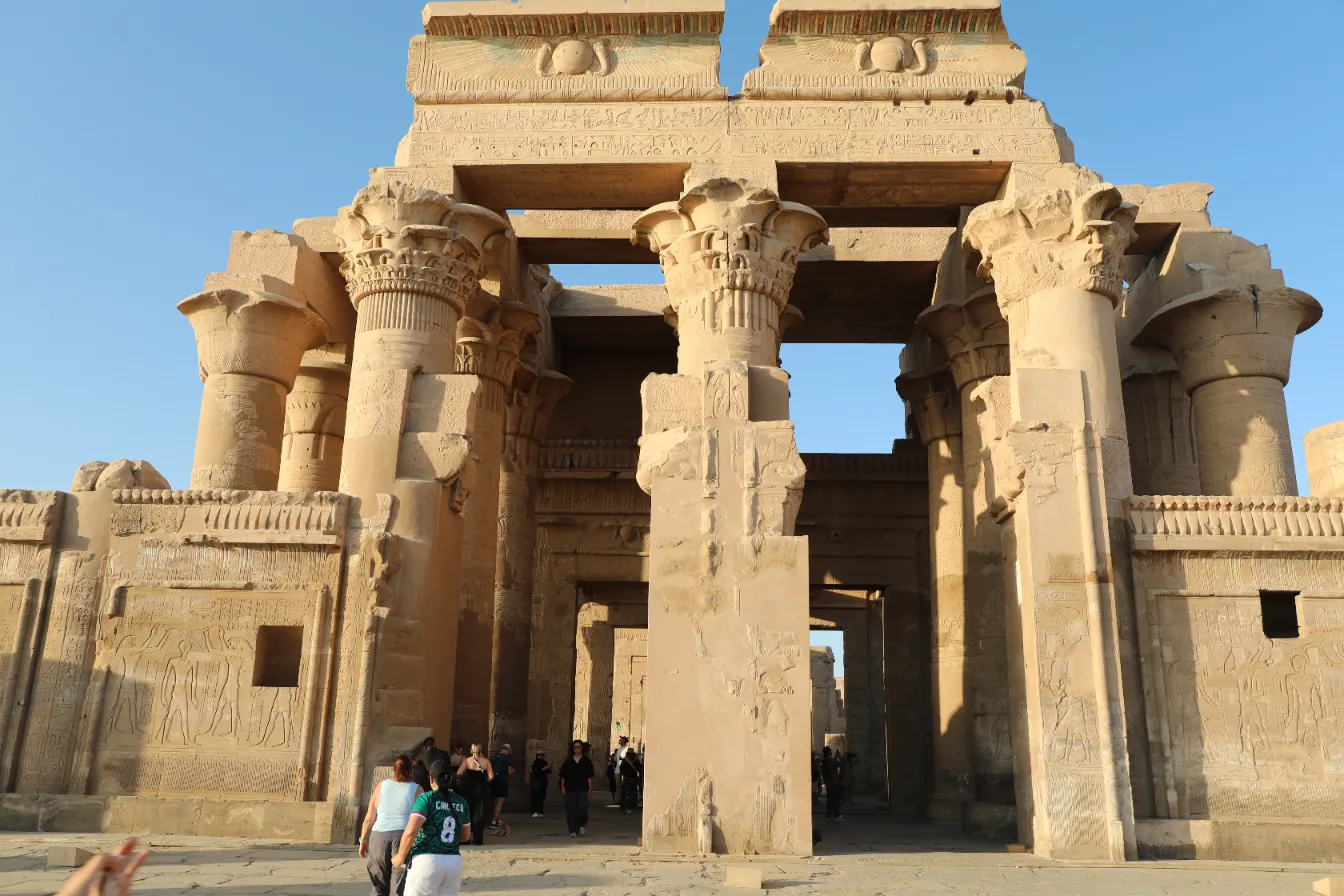
Located on the east bank of the Nile River between Aswan and Edfu, Kom Ombo Temple is one of Egypt's most fascinating ancient monuments and a highlight of nearly every Nile Cruise itinerary. Unlike any other temple in Egypt, Kom Ombo is a double temple, perfectly designed with two identical halves dedicated to two different gods: Sobek, the crocodile god of fertility and the Nile, and Horus the Elder (Haroeris), the falcon-headed god of kingship and protection.
Built during the Ptolemaic Period and expanded under the Roman emperors, the temple is renowned for its remarkable symmetry, beautifully preserved reliefs, towering columns, and riverside setting. Every hall, courtyard, and sanctuary was constructed in duplicate, allowing priests to perform separate rituals for each deity without interference.
Kom Ombo is also famous for its fascinating collection of ancient medical carvings, astronomical scenes, and one of the earliest known depictions of surgical instruments. Nearby, visitors can explore the Crocodile Museum, home to dozens of mummified crocodiles discovered in the surrounding area, offering a unique insight into the worship of Sobek in ancient Egypt.
Today, Kom Ombo Temple is one of Upper Egypt's most visited archaeological sites. Whether you arrive by cruise ship or road, the temple offers an unforgettable journey into Egypt's religious traditions, architectural brilliance, and rich mythology .
History of Kom Ombo Temple
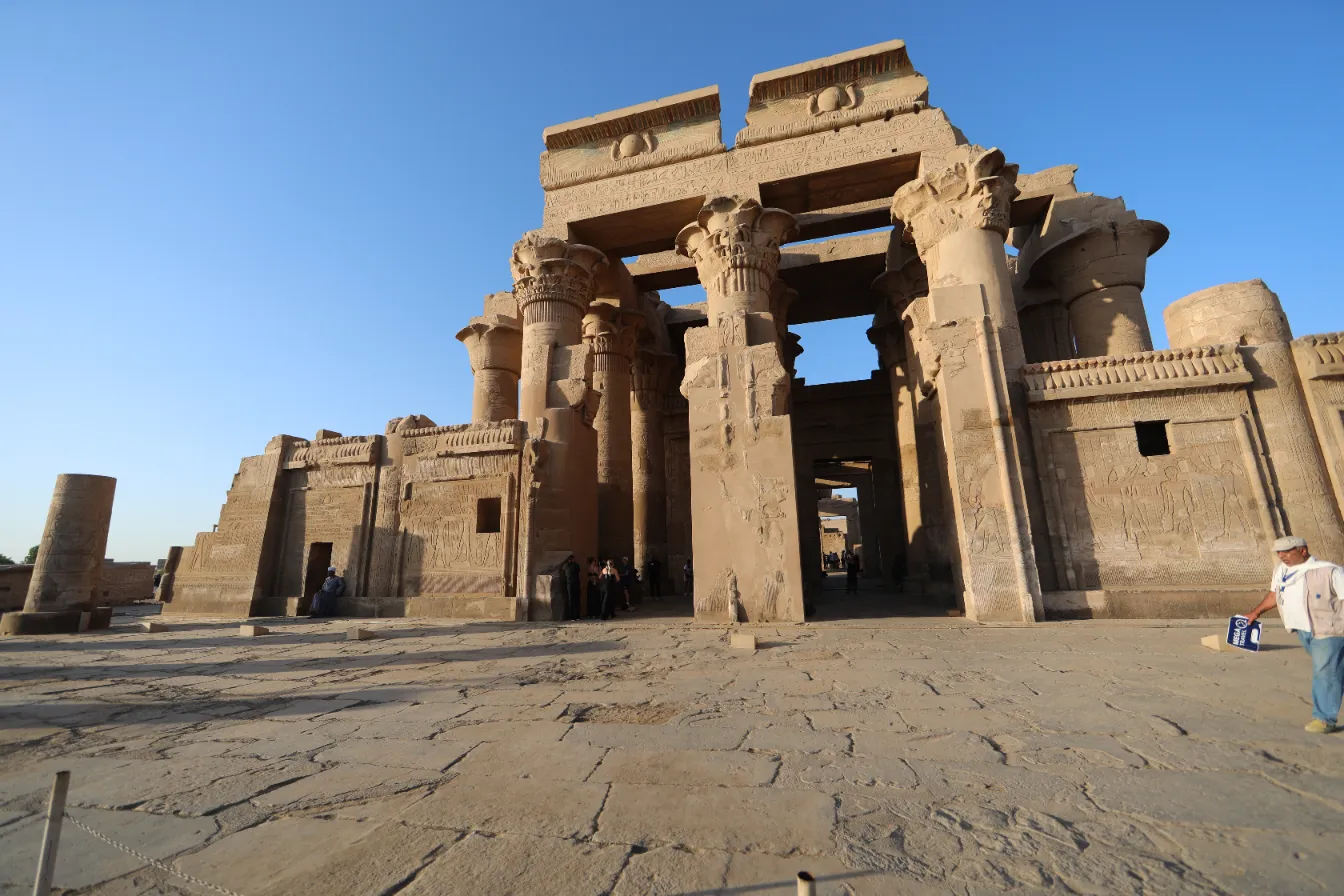
The history of Kom Ombo Temple dates back to the Ptolemaic Dynasty, when Greek rulers governed Egypt following the conquest of Alexander the Great. Construction of the temple began during the reign of Ptolemy VI Philometor (180–145 BC) and continued under several later Ptolemaic kings. Roman emperors, including Augustus, Tiberius, and Domitian, later added new decorations, reliefs, and architectural features.
Although the current temple dates primarily to the Ptolemaic and Roman periods, archaeological evidence suggests that Kom Ombo had been a sacred site long before the construction of the surviving monument. Earlier temples from the New Kingdom may have stood here, taking advantage of the strategic location overlooking the Nile.
What makes Kom Ombo truly exceptional is its unique design. Instead of honoring a single deity, the temple was built to serve two gods simultaneously. The southern half is dedicated to Sobek, the crocodile god associated with fertility, strength, military power, and the life-giving waters of the Nile. The northern half is dedicated to Horus the Elder (Haroeris), the falcon-headed god representing protection, kingship, and divine order.
Each side of the temple contains its own entrance, hypostyle hall, offering rooms, and sanctuary, creating a perfectly symmetrical layout that is unique in ancient Egyptian architecture.
Throughout the Ptolemaic and Roman periods, Kom Ombo became an important religious center where priests conducted daily rituals, offered sacrifices, and celebrated festivals honoring both deities. Pilgrims traveled from across Egypt to seek healing, protection, and blessings, particularly from Sobek, whose association with the Nile made him one of the most revered gods in Upper Egypt.
After the spread of Christianity in Egypt, the temple gradually fell out of use. Over the centuries, earthquakes, Nile floods, and the reuse of stones for nearby buildings caused significant damage. Despite this, much of the temple has survived, allowing visitors today to admire its magnificent columns, detailed reliefs, and unique architectural design.
Today, Kom Ombo Temple stands as one of the finest examples of Ptolemaic architecture in Egypt and remains an essential stop for travelers exploring the Nile Valley.
Architecture of Kom Ombo Temple
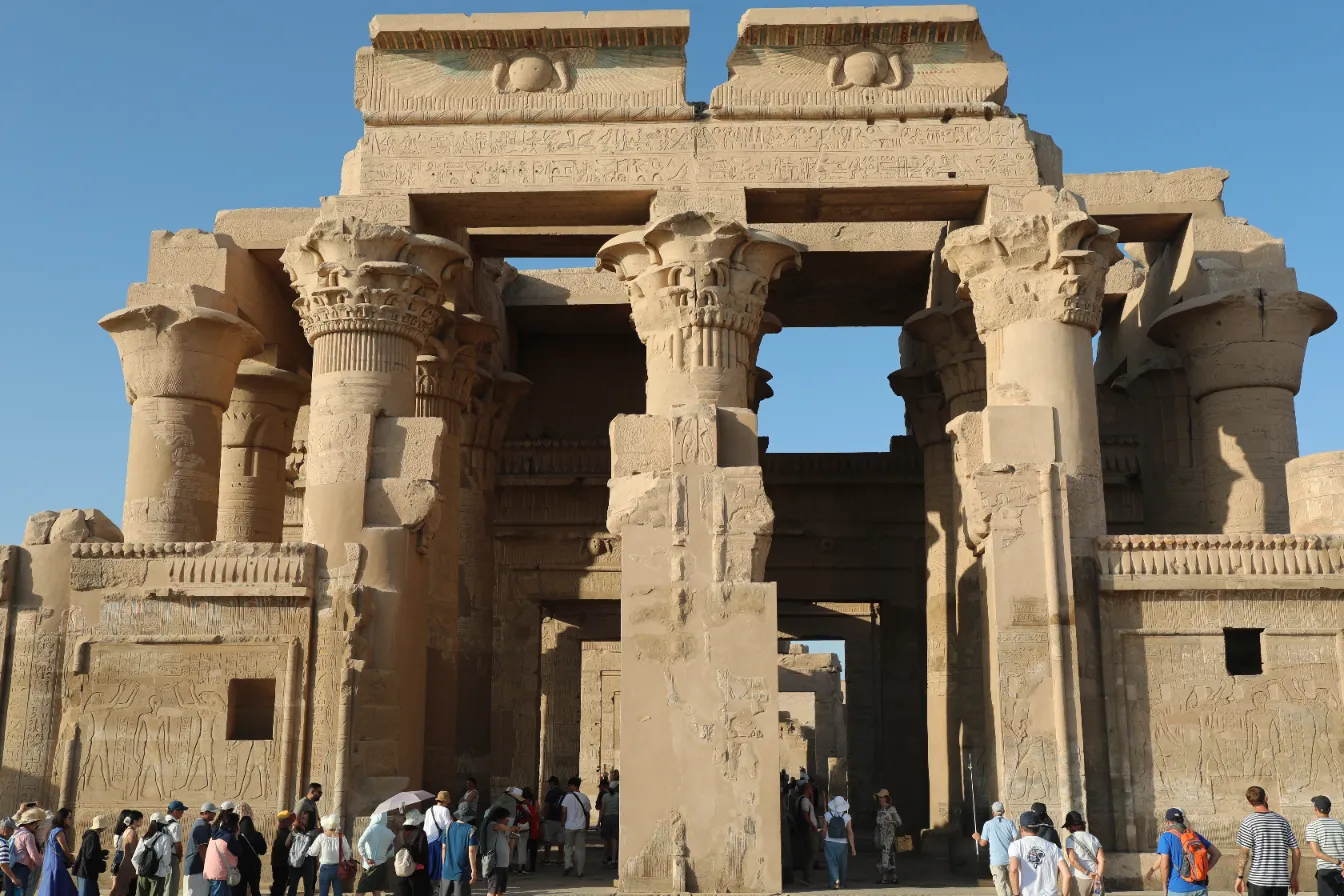
Kom Ombo Temple is one of the most architecturally distinctive temples in ancient Egypt. Unlike traditional Egyptian temples, which were dedicated to a single deity, Kom Ombo was designed as a double temple with two perfectly symmetrical halves. This rare architectural layout allowed two separate groups of priests to perform rituals simultaneously, each serving a different god.
The southern side of the temple is dedicated to Sobek, the crocodile-headed god associated with fertility, the Nile, strength, and protection. The northern side honors Horus the Elder (Haroeris), the falcon-headed god of kingship, justice, and divine order. Nearly every part of the temple from its entrances and courtyards to its halls and sanctuaries—was duplicated to maintain balance between the two deities.
Built from fine sandstone, the temple features impressive columns, monumental gateways, richly decorated walls, and beautifully carved reliefs. Many of these carvings depict religious ceremonies, offerings made by Ptolemaic rulers, scenes from Egyptian mythology, and detailed inscriptions that provide valuable insights into ancient medicine, astronomy, and daily life.
One of the temple's most remarkable features is the famous relief showing ancient surgical instruments, including scalpels, forceps, medical containers, and other tools. This carving is considered one of the earliest known representations of medical equipment and highlights the advanced knowledge of medicine in ancient Egypt.
Although parts of the temple have been damaged by earthquakes, floods, and centuries of stone reuse, much of its original beauty remains intact. Walking through Kom Ombo today offers visitors a unique opportunity to admire one of Egypt's finest examples of Ptolemaic architecture while exploring a temple unlike any other in the country.
Top Things to See at Kom Ombo Temple
Kom Ombo Temple is filled with fascinating monuments and historical treasures. As you explore the complex, you'll discover remarkable architectural features and beautifully preserved carvings that reveal the religious life of ancient Egypt.
The Double Entrance
One of the first things visitors notice is the temple's symmetrical design. The entrance reflects the temple's dual dedication, leading worshippers toward two separate yet identical sacred areas. This unique layout distinguishes Kom Ombo from every other temple in Egypt.
The Great Hypostyle Hall
The Great Hypostyle Hall is supported by magnificent sandstone columns decorated with floral capitals and intricate hieroglyphics. The walls depict Ptolemaic kings presenting offerings to Sobek, Horus the Elder, Hathor, and other Egyptian deities.
The hall demonstrates the artistic excellence of the Ptolemaic period and remains one of the temple's most impressive spaces.
The Sanctuaries of Sobek and Horus
At the heart of the temple are the twin sanctuaries, where the sacred statues of Sobek and Horus the Elder once stood.
Only high priests were permitted to enter these holy chambers, where daily rituals, prayers, incense, and offerings were performed. Although the statues are no longer present, the sanctuaries remain among the most spiritually significant parts of the temple.
The Ancient Medical Reliefs
Kom Ombo Temple is famous worldwide for its extraordinary carvings of ancient medical instruments.
Visitors can see detailed depictions of surgical knives, forceps, medicine containers, scales, and other tools believed to have been used by Egyptian physicians more than 2,000 years ago. These reliefs provide fascinating evidence of the advanced medical knowledge possessed by the ancient Egyptians.
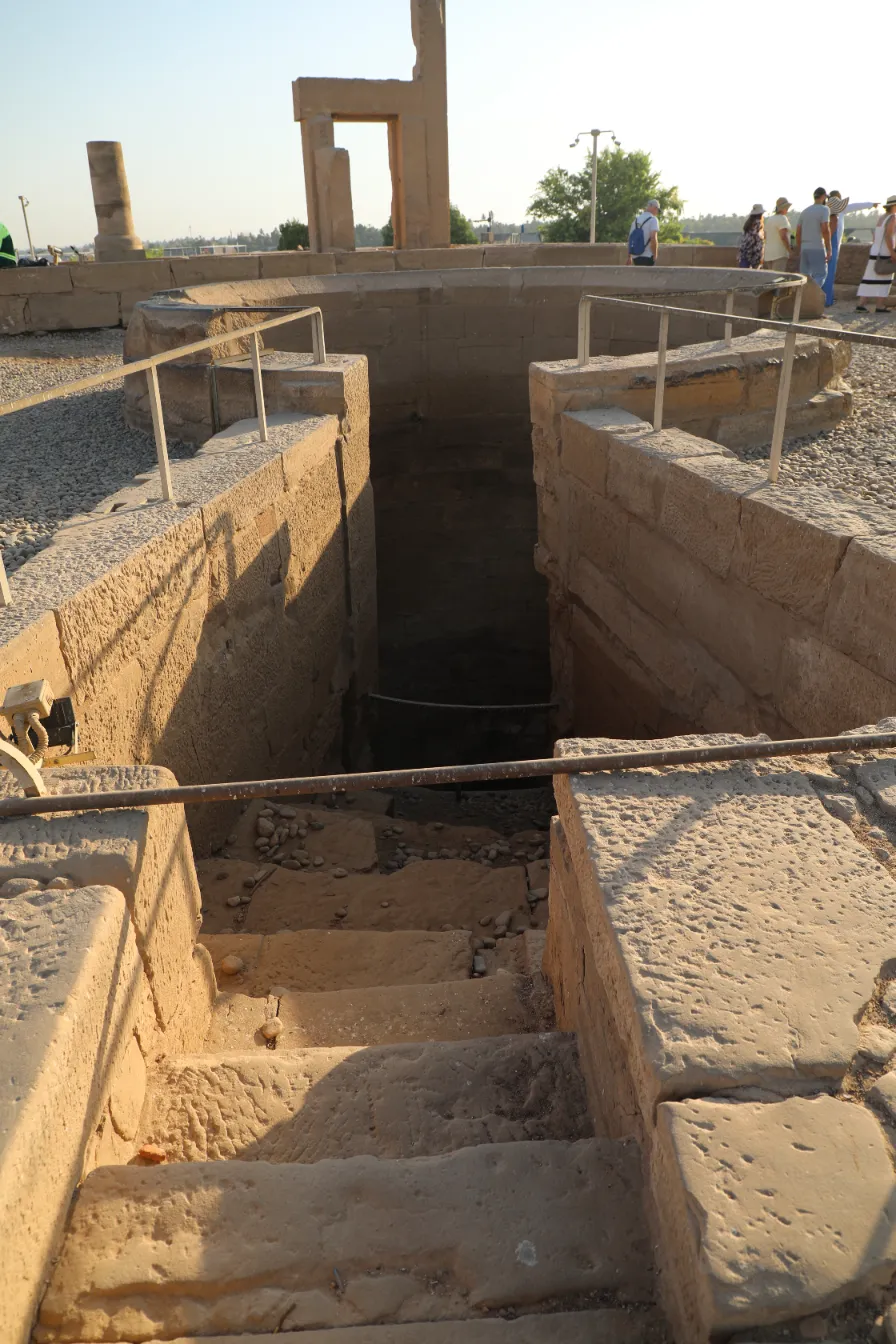
The Nilometer
Near the temple is the ancient Nilometer, a stone structure used to measure the annual flooding of the Nile River.
The water levels recorded here helped predict agricultural harvests and determine taxation throughout ancient Egypt. The Nilometer demonstrates the close relationship between religion, science, and daily life along the Nile.
Crocodile Museum
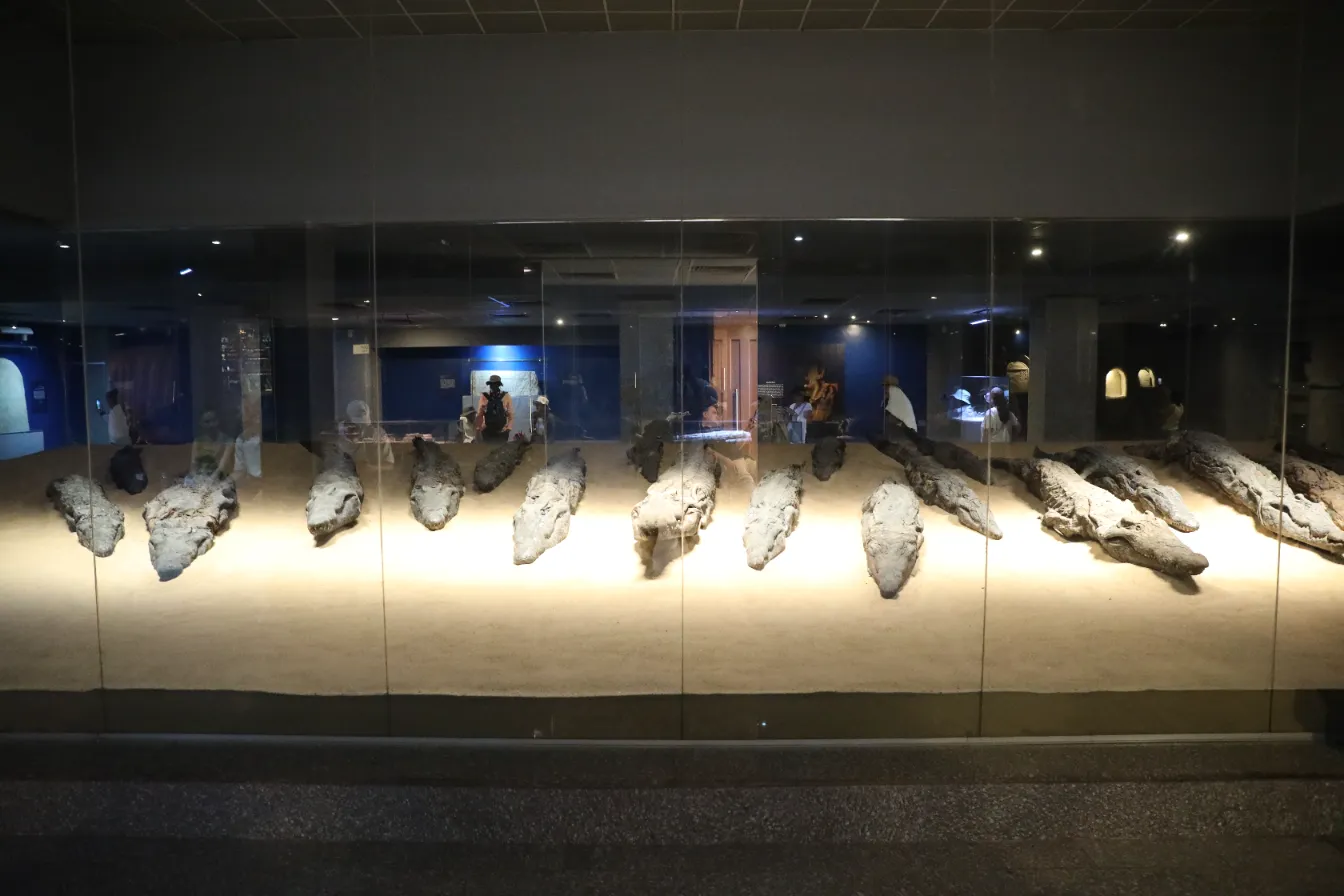
Adjacent to the temple is the Crocodile Museum, one of Kom Ombo's most popular attractions.
The museum displays dozens of mummified crocodiles, along with statues, sarcophagi, and artifacts associated with the worship of Sobek. Since crocodiles were considered sacred animals, they were carefully mummified and buried with great respect.
A visit to the museum provides valuable insight into one of the most unique religious traditions of ancient Egypt and perfectly complements a tour of the temple.
Riverside Views of the Nile
One of Kom Ombo Temple's greatest attractions is its beautiful location overlooking the Nile River.
Whether arriving by cruise ship or visiting by road, travelers are rewarded with breathtaking views of the river, especially at sunset when the warm light illuminates the temple's sandstone walls. This makes Kom Ombo one of the most photogenic archaeological sites in Upper Egypt.
Religious Significance of Kom Ombo Temple
Kom Ombo Temple was one of the most important religious centers in Upper Egypt during the Ptolemaic and Roman periods. Its unique design reflects the worship of two powerful deities, each associated with different aspects of life, nature, and divine protection.
Sobek: The Crocodile God
The southern half of the temple is dedicated to Sobek, the crocodile-headed god who symbolized fertility, strength, military power, and the life-giving waters of the Nile.
Ancient Egyptians respected and feared crocodiles because of their power and close connection to the river that sustained Egyptian civilization. Sobek was believed to protect the pharaoh, ensure fertile lands, and control the Nile's annual flooding.
Crocodiles living near Kom Ombo were considered sacred animals. After death, they were carefully mummified and buried in special tombs, many of which have been discovered and are now displayed in the nearby Crocodile Museum.
Horus the Elder (Haroeris)
The northern half of the temple honors Horus the Elder, also known as Haroeris, the falcon-headed god associated with kingship, protection, justice, and divine order.
Horus represented the ideal ruler and protector of Egypt. Pharaohs were often linked symbolically to Horus, emphasizing their role as guardians of harmony and stability.
The dual dedication of the temple highlights the balance between different forces in ancient Egyptian belief: strength and protection, nature and kingship, fertility and order.
Religious Festivals
Throughout the year, priests performed ceremonies, offered incense, food, and prayers, and organized festivals honoring Sobek and Horus. Pilgrims traveled from across Egypt to seek blessings, healing, and protection from the gods.
Kom Ombo remained an active place of worship for centuries before ancient Egyptian religion gradually declined with the spread of Christianity.
Visitor Information
Location
Kom Ombo Temple is located in the town of Kom Ombo, approximately:
- 45 km (28 miles) north of Aswan.
- 65 km (40 miles) south of Edfu.
- 170 km (106 miles) south of Luxor
The temple's riverside location makes it a popular stop on most Nile Cruises between Luxor and Aswan.
Opening Hours
Kom Ombo Temple is generally open every day:
Daily: 6:00 AM – 9:00 PM
Opening times may vary during public holidays or special events.
Tickets
Ticket prices are determined by the Egyptian Ministry of Tourism and Antiquities and may change over time.
Ticket categories typically include:
- International adults.
- International students (with a valid student ID).
- Egyptian citizens and residents
Admission to the Crocodile Museum is often included with the temple ticket, but visitors should confirm current arrangements before their visit.
Best Time to Visit
The ideal period to visit Kom Ombo is from October to April, when temperatures in Upper Egypt are more comfortable.
For the best experience:
- Visit in the early morning to avoid crowds.
- Late afternoon offers excellent lighting for photography.
- Sunset visits provide spectacular views over the Nile.
How Long to Spend at Kom Ombo
Most visitors spend between 1 and 2 hours exploring:
- The temple complex.
- Crocodile Museum.
- Riverside area.
- Photography spots
Travelers with a strong interest in history or archaeology may wish to stay longer.
How to Get There
Visitors can reach Kom Ombo Temple by:
- Nile Cruise.
- Private car or taxi from Aswan.
- Guided day tours.
- Egypt tour packages
Many travelers combine Kom Ombo with:
- Philae Temple.
- Abu Simbel Temples.
- Edfu Temple.
- Aswan High Dam.
- Unfinished Obelisk
Travel Tips for Visiting Kom Ombo Temple
- Wear comfortable walking shoes.
- Bring sunscreen, sunglasses, and a hat.
- Carry water, especially during warmer months.
- Visit the Crocodile Museum after touring the temple.
- Consider arriving near sunset for beautiful photos.
- Hire an Egyptologist guide for a deeper understanding of the temple's history and symbolism.
- Combine Kom Ombo with Edfu Temple as part of a Nile Cruise itinerary.
Conclusion
Kom Ombo Temple is one of Egypt's most remarkable ancient monuments, combining exceptional architecture, fascinating mythology, and a spectacular location overlooking the Nile River. Its unique double design, dedicated to Sobek and Horus the Elder, makes it unlike any other temple in Egypt.
Visitors can admire beautifully preserved columns, intricate hieroglyphic inscriptions, ancient medical reliefs, and the sacred sanctuaries that once welcomed priests and pilgrims from across the country. A visit to the nearby Crocodile Museum adds another dimension to the experience, showcasing the important role crocodiles played in ancient Egyptian religion.
Whether you arrive by Nile Cruise, private tour, or road from Aswan, Kom Ombo Temple is an essential stop on any journey through Upper Egypt. Combined with nearby attractions such as Philae Temple, Edfu Temple, Abu Simbel Temples, and the Aswan High Dam, it offers an unforgettable insight into the history, beliefs, and architectural achievements of one of the world's greatest civilizations.