


Unfinished Obelisk: The Complete Visitor Guide to Aswan's Ancient Granite Quarry
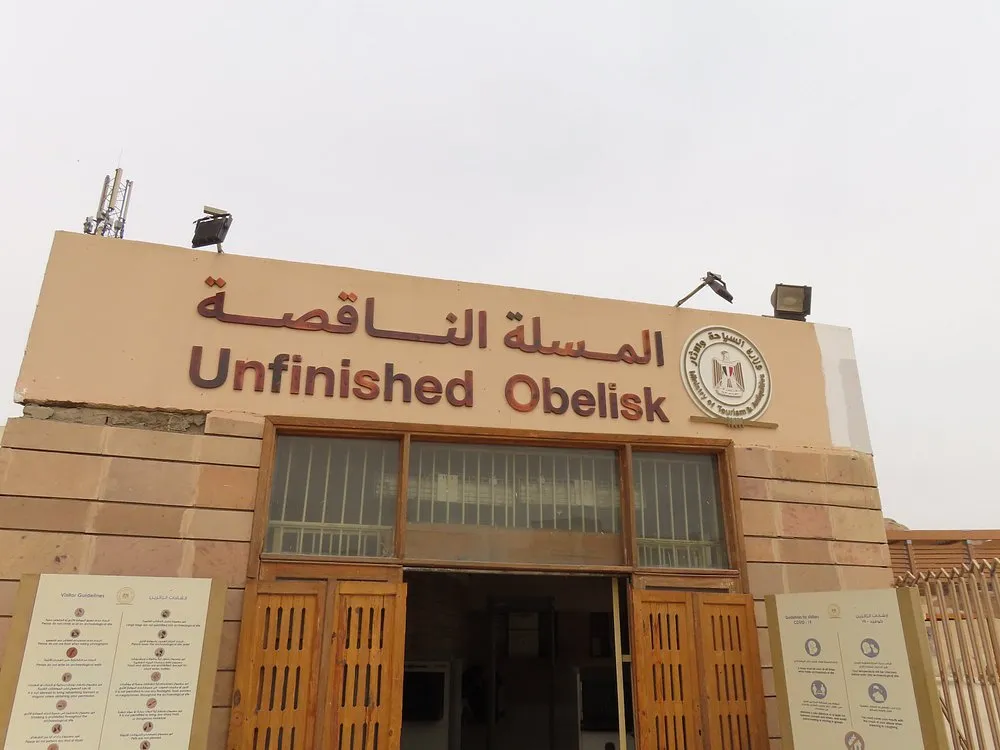
The Unfinished Obelisk is one of the most fascinating archaeological sites in Aswan, offering visitors a unique glimpse into the remarkable engineering skills of ancient Egypt. Located within the ancient granite quarries that supplied stone for many of Egypt's greatest temples and monuments, the Unfinished Obelisk reveals how these massive structures were carved directly from solid bedrock more than 3,500 years ago.
Believed to have been commissioned during the reign of Queen Hatshepsut in the 18th Dynasty, the monument was intended to become the largest obelisk ever erected in ancient Egypt. Had it been completed, it would have measured approximately 42 meters (138 feet) in height and weighed an estimated 1,200 tons.
Before the obelisk could be separated from the surrounding granite, large cracks appeared in the stone, forcing ancient builders to abandon the project. Instead of removing it, they left it exactly where it was, creating an extraordinary archaeological site that allows modern visitors to see ancient Egyptian stone-cutting techniques frozen in time.
Today, the Unfinished Obelisk is one of Aswan's most popular attractions and is often visited alongside the Philae Temple, Aswan High Dam, and Nile Cruise excursions. Walking through the granite quarry offers an exceptional opportunity to understand how ancient craftsmen shaped, carved, and transported some of the largest stone monuments ever created.
Whether you are interested in ancient engineering, archaeology, or Egyptian history, the Unfinished Obelisk provides an unforgettable insight into one of the greatest construction achievements of the ancient world.
History of the Unfinished Obelisk
The history of the Unfinished Obelisk dates back to the reign of Queen Hatshepsut (1479–1458 BC), one of ancient Egypt's most successful and influential rulers. During her reign, Egypt experienced a period of prosperity marked by ambitious construction projects, including magnificent temples, monumental statues, and towering obelisks dedicated to the gods.
Aswan was the primary source of Egypt's finest pink granite, a durable stone prized for its beauty and strength. Skilled craftsmen worked in the city's quarries to extract enormous blocks used in temples such as Karnak, Luxor, and Philae, as well as for colossal statues, sarcophagi, and obelisks erected throughout the country.
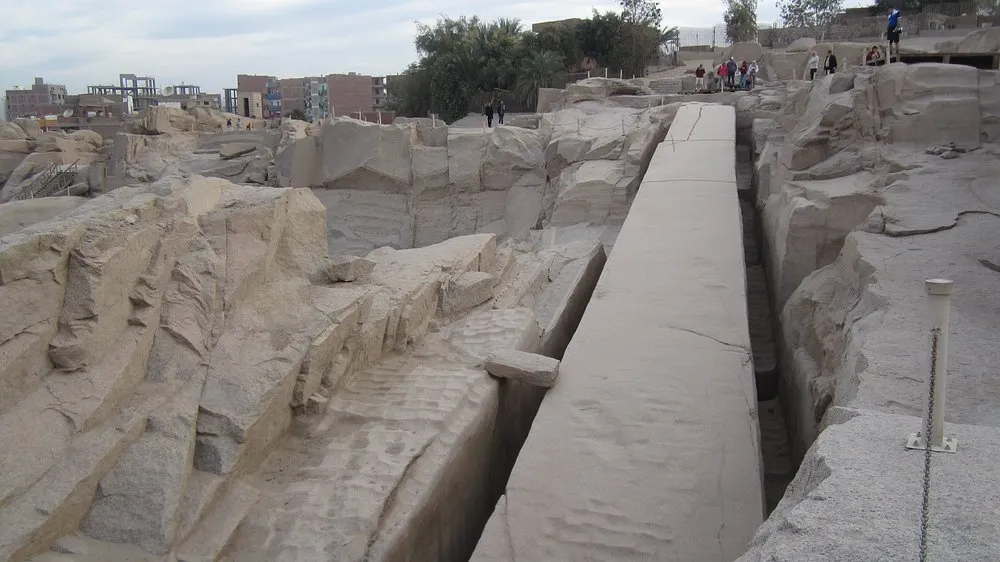
The Unfinished Obelisk was intended to surpass every obelisk previously built. Ancient workers carefully carved the monument directly from the granite bedrock using hard dolerite pounding stones, gradually shaping its sides while leaving its base attached to the quarry floor.
However, before the final stage of extraction could begin, large cracks appeared in the granite. Recognizing that the damaged stone could not support such a massive monument, the builders abandoned the project. Rather than attempting repairs, they left the unfinished obelisk exactly where it rested.
Today, this abandoned monument offers one of the clearest examples of ancient Egyptian quarrying techniques. Archaeologists continue to study the site to better understand the remarkable methods used to create and transport some of the largest stone monuments in history.
Architecture and Engineering of the Unfinished Obelisk
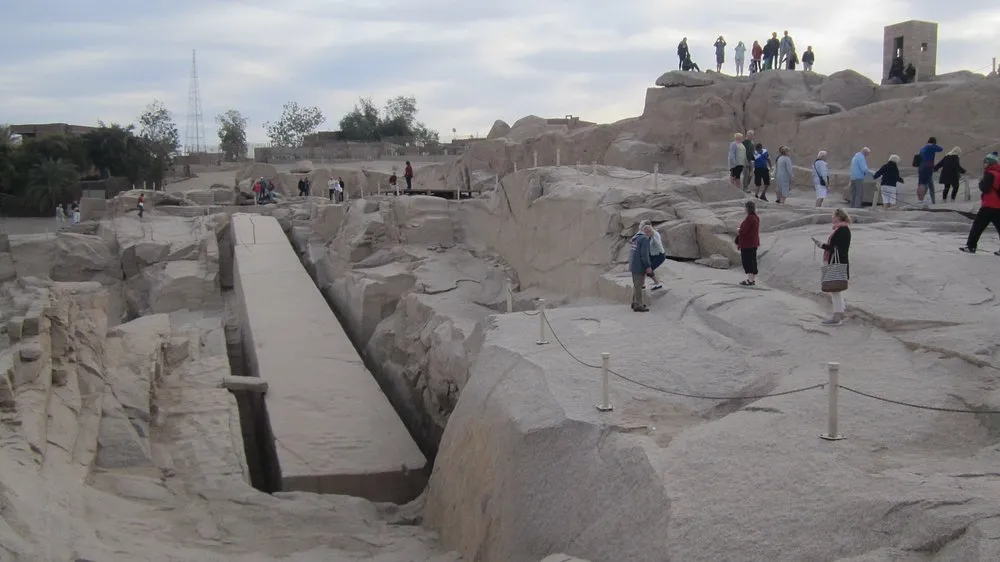
The Unfinished Obelisk is one of the most important archaeological sites for understanding the engineering techniques of ancient Egypt. Unlike completed obelisks standing in temples across Egypt and around the world, this monument remains attached to the granite bedrock, allowing visitors to see every stage of its construction.
If completed, the obelisk would have measured approximately 42 meters (138 feet) in height and weighed an estimated 1,200 tons, making it the largest obelisk ever created by the ancient Egyptians. Its enormous size demonstrates the remarkable ambition and technical expertise of Egypt's master craftsmen during the New Kingdom.
The obelisk was carved from a single block of pink Aswan granite, one of the strongest and most durable stones used in ancient Egyptian architecture. This high-quality granite was also used to build many famous monuments, including obelisks at Karnak Temple, monumental statues, sarcophagi, and temple columns.
Ancient workers shaped the stone using dolerite pounding stones, hard rounded rocks that repeatedly struck the granite to carve channels around the monument. Evidence of these tool marks is still clearly visible today, providing valuable insight into ancient quarrying methods.
Once carving was complete, the builders planned to separate the obelisk from the bedrock by cutting underneath its base. However, before this final stage could begin, several natural cracks appeared in the granite. Because these fractures weakened the stone, the project was abandoned.
Today, the unfinished monument serves as a unique open-air workshop where archaeologists and visitors can study ancient Egyptian engineering almost exactly as it was left more than 3,500 years ago.
Top Things to See at the Unfinished Obelisk
Although the Unfinished Obelisk is the main attraction, the surrounding quarry offers several fascinating features that help visitors understand the remarkable skills of ancient Egyptian stoneworkers.
The Unfinished Obelisk
The centerpiece of the site is the enormous unfinished monument itself.
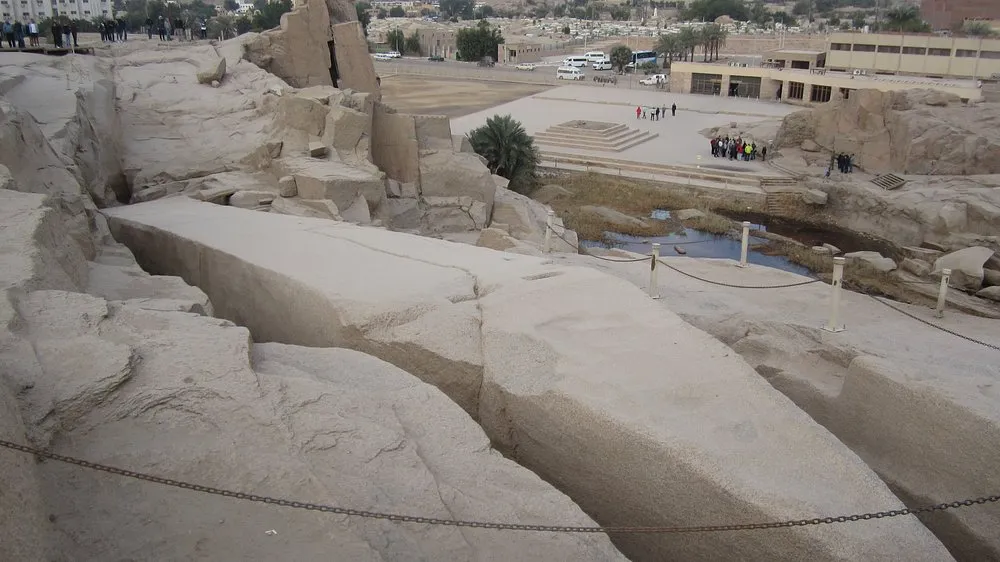
Visitors can walk alongside the obelisk and appreciate its extraordinary scale. The visible cracks that caused the project to be abandoned provide valuable evidence of the challenges faced by ancient engineers.
Ancient Granite Quarry
The surrounding quarry is one of the best-preserved ancient stone quarries in Egypt.
Visitors can observe extraction channels, unfinished blocks, tool marks, and working areas that reveal how massive stones were removed from the bedrock before being transported across Egypt.
Dolerite Pounding Stone Marks
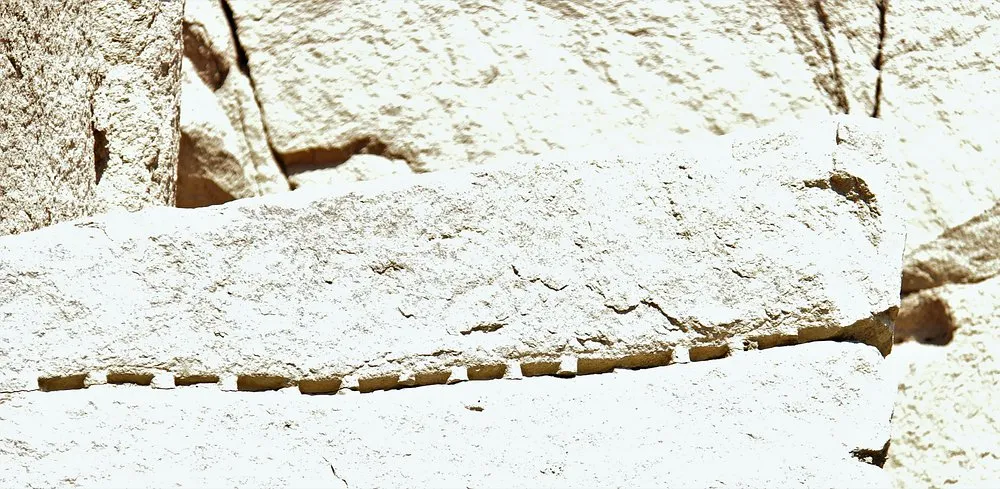
One of the site's most fascinating features is the collection of dolerite tool marks carved into the granite.
These marks demonstrate the traditional technique used by ancient craftsmen to gradually shape enormous stone monuments long before the invention of modern machinery.
Interpretive signs throughout the site explain how workers planned, measured, carved, and transported giant granite monuments.
Visitors gain a deeper appreciation for the extraordinary planning and engineering required to construct Egypt's temples, obelisks, and colossal statues.
Panoramic Views of Aswan
The quarry is located on elevated ground overlooking the city of Aswan.
Several viewpoints provide excellent opportunities to photograph the surrounding granite hills, the modern city, and parts of the Nile Valley.
Why Visit the Unfinished Obelisk?
The Unfinished Obelisk offers a completely different experience from Egypt's temples and pyramids. Rather than showcasing a finished monument, it reveals the construction process itself, allowing visitors to step inside an ancient quarry and witness the techniques that made Egypt's greatest architectural achievements possible.
It is one of the few places where you can clearly see how a massive monument was carved directly from solid rock before being transported hundreds of kilometers to temples such as Karnak, Luxor, and Philae.
The site is particularly rewarding for travelers interested in archaeology, architecture, engineering, and ancient construction methods. Combined with nearby attractions such as the Philae Temple, Aswan High Dam, and a Nile Cruise, it forms an essential part of any visit to Aswan.
Visitor Information
Location
The Unfinished Obelisk is located in the Northern Granite Quarries of Aswan, approximately 2 kilometers (1.2 miles) southeast of Aswan city center. It is one of the most accessible archaeological sites in the city and is commonly included in half-day and full-day sightseeing tours.
Many visitors combine the Unfinished Obelisk with nearby attractions, including the Philae Temple and the Aswan High Dam, making it an excellent introduction to the history and engineering of ancient Egypt.
Opening Hours
The Unfinished Obelisk is generally open every day.
Opening Hours
- Daily: 6:00 AM – 5:00 PM
Opening hours may change during public holidays or special events. It is advisable to confirm the latest schedule before your visit.
Tickets
Entrance fees are determined by the Egyptian Ministry of Tourism and Antiquities and may be updated periodically.
Ticket categories typically include:
- International adults.
- International students (with a valid student ID).
- Egyptian citizens and residents
Many guided tours include admission as part of their itinerary.
Best Time to Visit
The ideal time to visit the Unfinished Obelisk is between October and April, when temperatures are cooler and more comfortable for outdoor sightseeing.
For the best experience:
- Visit early in the morning to avoid the midday heat.
- Late afternoon provides excellent lighting for photography.
- Avoid visiting during the hottest hours in summer, when temperatures in Aswan can exceed 40°C (104°F).
How Long Should You Spend at the Unfinished Obelisk?
Most visitors spend 45 minutes to 1 hour exploring the quarry and the Unfinished Obelisk.
If you're interested in archaeology, ancient engineering, or photography, you may wish to spend additional time examining the tool marks, quarrying techniques, and panoramic views.
How to Get There
Visitors can reach the Unfinished Obelisk by:
- Taxi from Aswan city center.
- Private car.
- Guided Aswan day tours.
- Egypt tour packages.
- Nile Cruise excursions with optional sightseeing
Many travelers combine their visit with:
- Philae Temple.
- Aswan High Dam.
- Nubian Museum.
- Elephantine Island
Travel Tips for Visiting the Unfinished Obelisk
To enjoy your visit, consider the following tips:
- Wear comfortable walking shoes, as the quarry has uneven granite surfaces.
- Bring sunscreen, sunglasses, and a hat, especially during warmer months.
- Carry a bottle of water to stay hydrated.
- Visit early in the morning for cooler temperatures and better photography conditions.
- Hire a licensed Egyptologist guide to learn about ancient quarrying methods and the significance of the site.
- Take time to observe the visible cracks, tool marks, and unfinished sections that reveal how the monument was carved from the bedrock.
Conclusion
The Unfinished Obelisk is one of Aswan's most fascinating archaeological attractions, offering a unique window into the engineering genius of ancient Egypt. Unlike completed monuments, this remarkable obelisk remains exactly where ancient craftsmen left it more than 3,500 years ago, preserving invaluable evidence of the quarrying techniques used to create some of the world's largest stone monuments.
From the visible tool marks and massive granite quarry to the cracks that halted its construction, every feature tells a story of ambition, innovation, and craftsmanship. A visit to the Unfinished Obelisk provides a deeper appreciation of the skill required to build the magnificent temples and monuments that continue to inspire visitors from around the world.
Whether you're exploring Aswan on a day tour, enjoying a Nile Cruise, or traveling through Egypt on a longer itinerary, the Unfinished Obelisk is an essential stop. Combined with nearby attractions such as Philae Temple, the Aswan High Dam, Kom Ombo Temple, and Abu Simbel Temples, it offers an unforgettable journey into the remarkable achievements of ancient Egyptian civilization.