

Abu Simbel Temples
Overview
The Abu Simbel Temples are among the most magnificent monuments of ancient Egypt and one of the country's greatest architectural achievements. Carved directly into a sandstone cliff on the western bank of Lake Nasser, near Egypt's southern border with Sudan, these colossal temples stand as a lasting tribute to the power and vision of Pharaoh Ramses II.
Constructed during the 13th century BC, the temples were built to celebrate Ramses II's military victories, honor the gods, and demonstrate Egypt's strength to neighboring kingdoms. The larger temple is dedicated to Ramses II and the gods Amun-Ra, Ra-Horakhty, and Ptah, while the smaller temple was dedicated to his beloved wife, Queen Nefertari, and the goddess Hathor. It is one of the few temples in ancient Egypt where a queen was honored almost equally with the king.
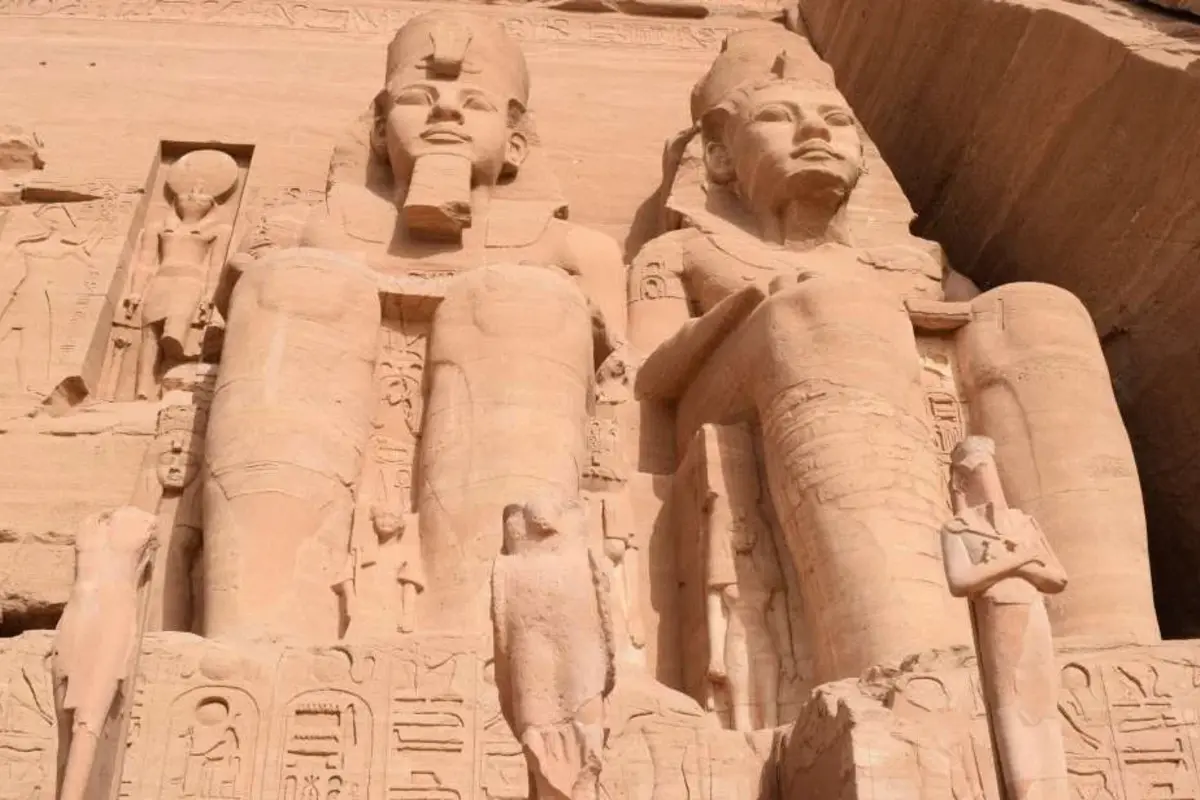
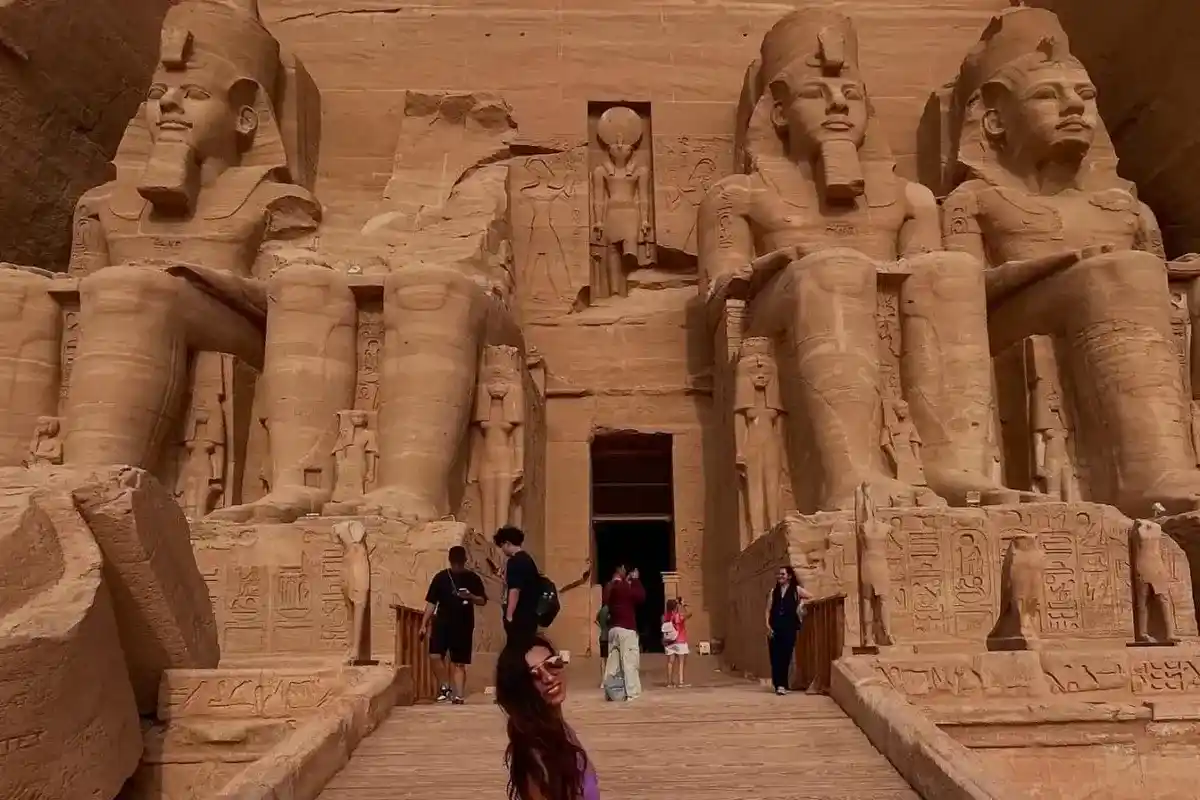
The entrance to the Great Temple is guarded by four colossal seated statues of Ramses II, each standing approximately 20 meters (66 feet) high. These impressive sculptures have become one of Egypt's most recognizable landmarks and continue to amaze visitors more than 3,200 years after they were carved.
One of the temples' most extraordinary features is the Sun Festival, which occurs twice each year. On these special days, the rising sun shines through the temple's entrance and illuminates the statues within the sanctuary—an incredible achievement of ancient Egyptian engineering and astronomical knowledge.
In the 1960s, the Abu Simbel Temples faced destruction due to the construction of the Aswan High Dam. In one of the world's greatest archaeological rescue projects, the entire temple complex was carefully dismantled, moved to higher ground, and reconstructed under the supervision of UNESCO, preserving this priceless treasure for future generations.
Today, the Abu Simbel Temples are recognized as a UNESCO World Heritage Site and are among the most visited attractions in Egypt. Whether you visit on a day trip from Aswan, as part of an Egypt Tour Package, or during a luxury Nile Cruise Package, Abu Simbel offers an unforgettable journey into the grandeur of ancient Egyptian civilization.
History of Abu Simbel
Construction of the Abu Simbel Temples began during the reign of Pharaoh Ramses II, one of the greatest rulers of ancient Egypt. The project started around 1264 BC and took approximately 20 years to complete.
Located near Egypt's southern frontier, the temples were strategically positioned to impress travelers entering Egypt from Nubia. Their colossal size and magnificent decoration proclaimed the wealth, military power, and religious authority of Ramses II.
The Great Temple was dedicated to the gods Amun-Ra, Ra-Horakhty, Ptah, and to Ramses II himself, who was worshipped as a divine ruler. Every wall inside the temple is covered with detailed reliefs depicting religious ceremonies, offerings to the gods, and Ramses II's military campaigns.
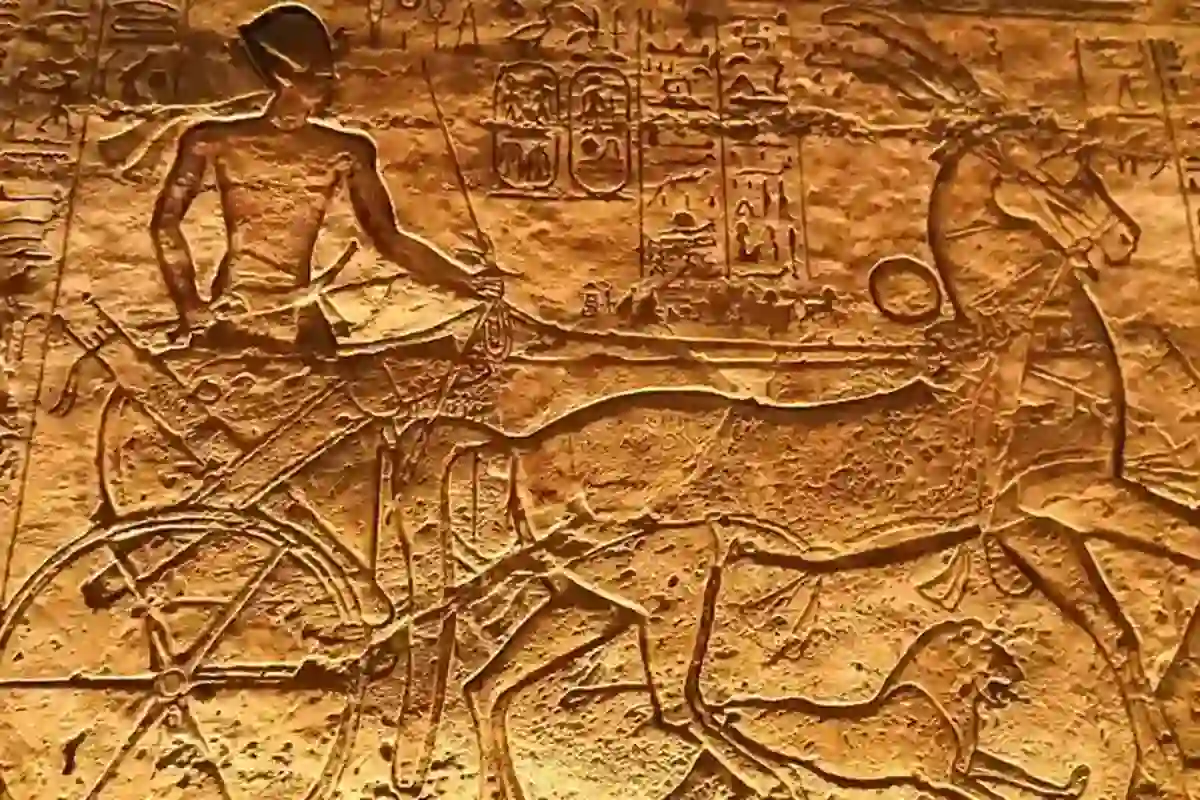
Among the most famous carvings are the scenes of the Battle of Kadesh, fought against the Hittites around 1274 BC. These reliefs portray Ramses II as a heroic warrior leading his army into battle and remain one of the most important historical records of ancient Egyptian warfare.
Beside the Great Temple stands the smaller Temple of Nefertari, dedicated to Queen Nefertari and the goddess Hathor. This temple is particularly significant because it honors a queen on a scale rarely seen in ancient Egyptian architecture, highlighting Nefertari's importance during Ramses II's reign.
Over the centuries, shifting desert sands gradually buried much of the temples. By the early modern period, only the upper portions of the colossal statues remained visible. In 1813, Swiss explorer Johann Ludwig Burckhardt rediscovered the site, and a few years later, Italian explorer Giovanni Battista Belzoni succeeded in entering the Great Temple, revealing its magnificent interior to the world.
The Great Temple of Ramses II
The Great Temple of Abu Simbel is one of the most impressive monuments ever created in ancient Egypt. Carved directly into a massive sandstone cliff, the temple was built by Pharaoh Ramses II to honor the gods Amun-Ra, Ra-Horakhty, and Ptah, while also celebrating his own divine status.
The temple's magnificent façade is dominated by four colossal seated statues of Ramses II, each standing approximately 20 meters (66 feet) tall. These enormous sculptures depict the pharaoh wearing the double crown of Upper and Lower Egypt, symbolizing his rule over a united kingdom.
Although one of the statues partially collapsed during an ancient earthquake, its fallen fragments remain at the base of the façade, providing visitors with a fascinating reminder of the temple's long history.
Above the entrance is a beautifully carved image of Ra-Horakhty, the falcon-headed sun god, receiving offerings from Ramses II. This impressive composition reflects the close relationship between the king and the gods in ancient Egyptian religion.
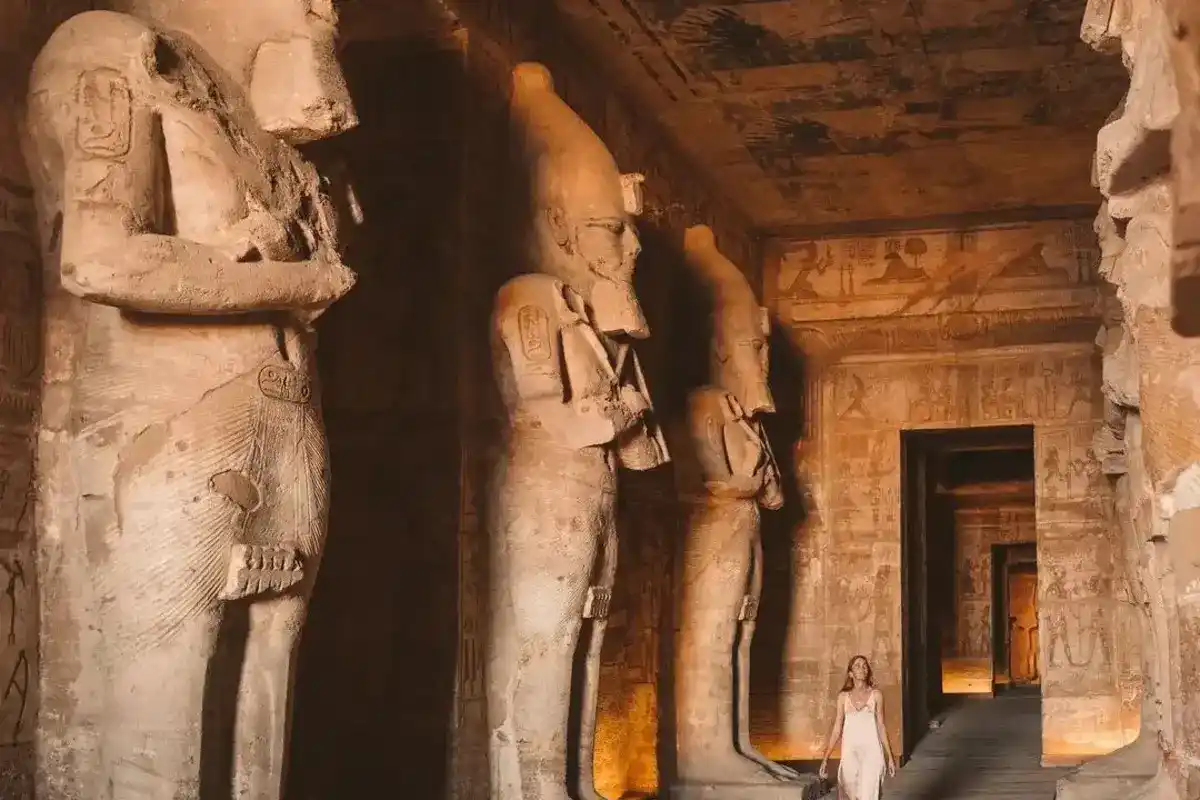
Stepping inside the temple, visitors enter a grand hall lined with eight enormous Osiride statues of Ramses II, each portraying the king in the form of Osiris, the god of the afterlife. The walls are covered with colorful reliefs depicting religious ceremonies, military victories, and offerings to the gods.
One of the most famous scenes illustrates the Battle of Kadesh, where Ramses II led his army against the Hittite Empire. Although modern historians believe the battle ended in a stalemate, the temple portrays the pharaoh as a triumphant hero, reinforcing his reputation as one of Egypt's greatest rulers.
The Temple of Queen Nefertari
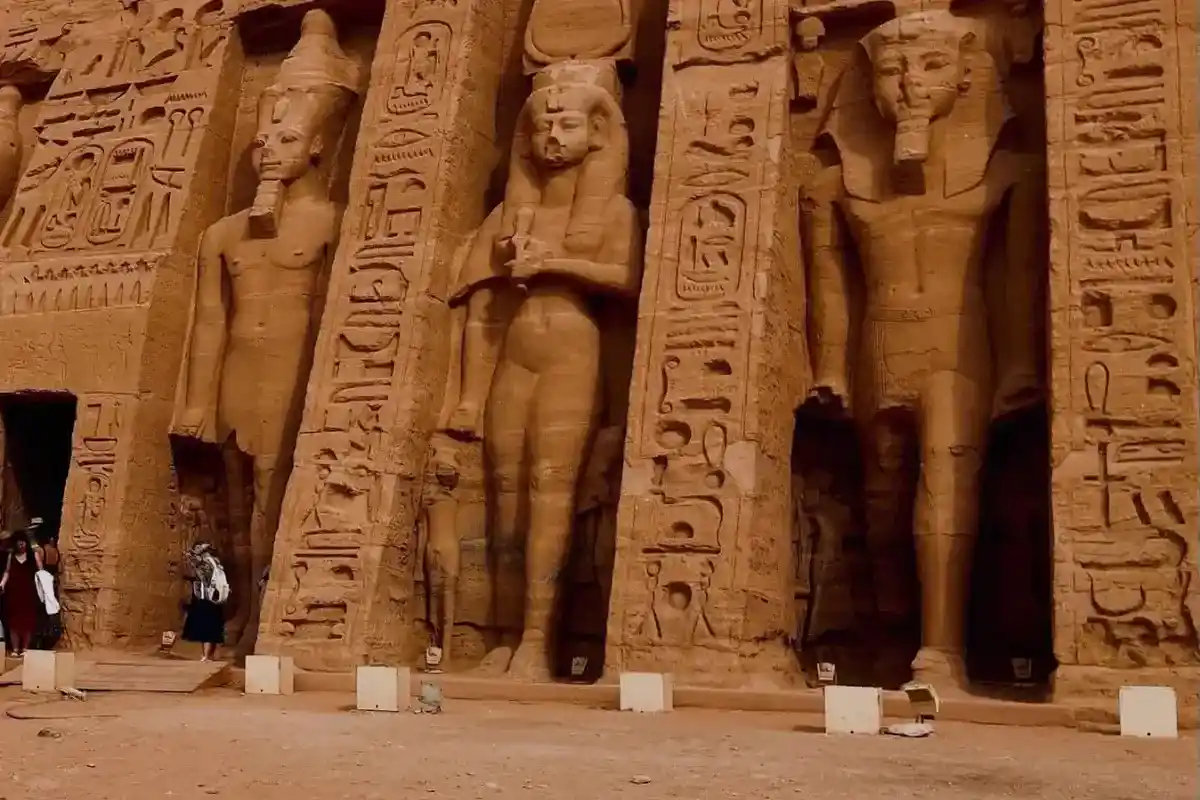
Located beside the Great Temple is the beautiful Temple of Queen Nefertari, dedicated to Ramses II's beloved wife and the goddess Hathor, who represented love, beauty, motherhood, music, and joy.
This temple is unique because queens were rarely honored on such a monumental scale in ancient Egypt. The façade features six impressive standing statues, four representing Ramses II and two depicting Queen Nefertari. Remarkably, the statues of the queen are almost the same height as those of the king, highlighting her exceptional status.
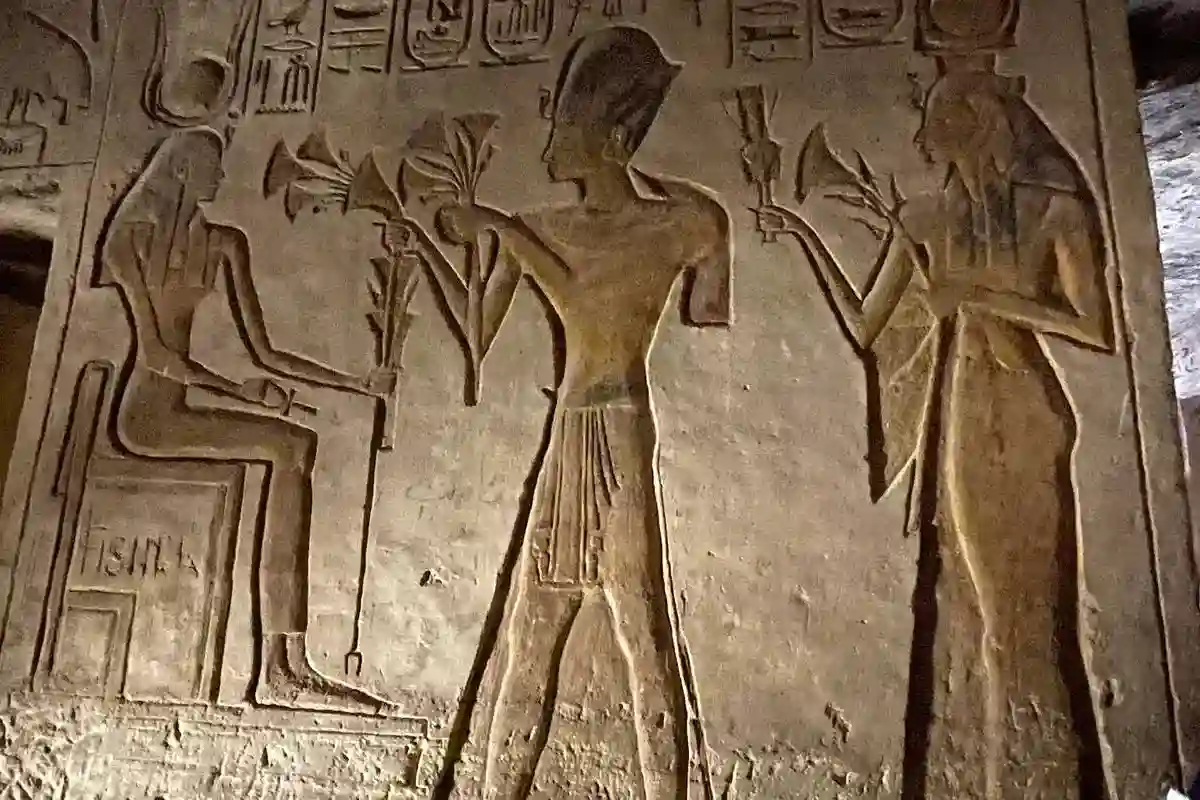
Inside, elegant columns decorated with Hathor-headed capitals support the temple's halls. The walls display finely carved reliefs showing Queen Nefertari making offerings to the gods, participating in sacred ceremonies, and receiving divine blessings.
The temple stands as one of the greatest symbols of royal devotion and demonstrates the important role Queen Nefertari played during Ramses II's reign.
The Abu Simbel Sun Festival
One of Abu Simbel's most extraordinary features is the famous Sun Festival, a remarkable example of ancient Egyptian engineering and astronomical knowledge.
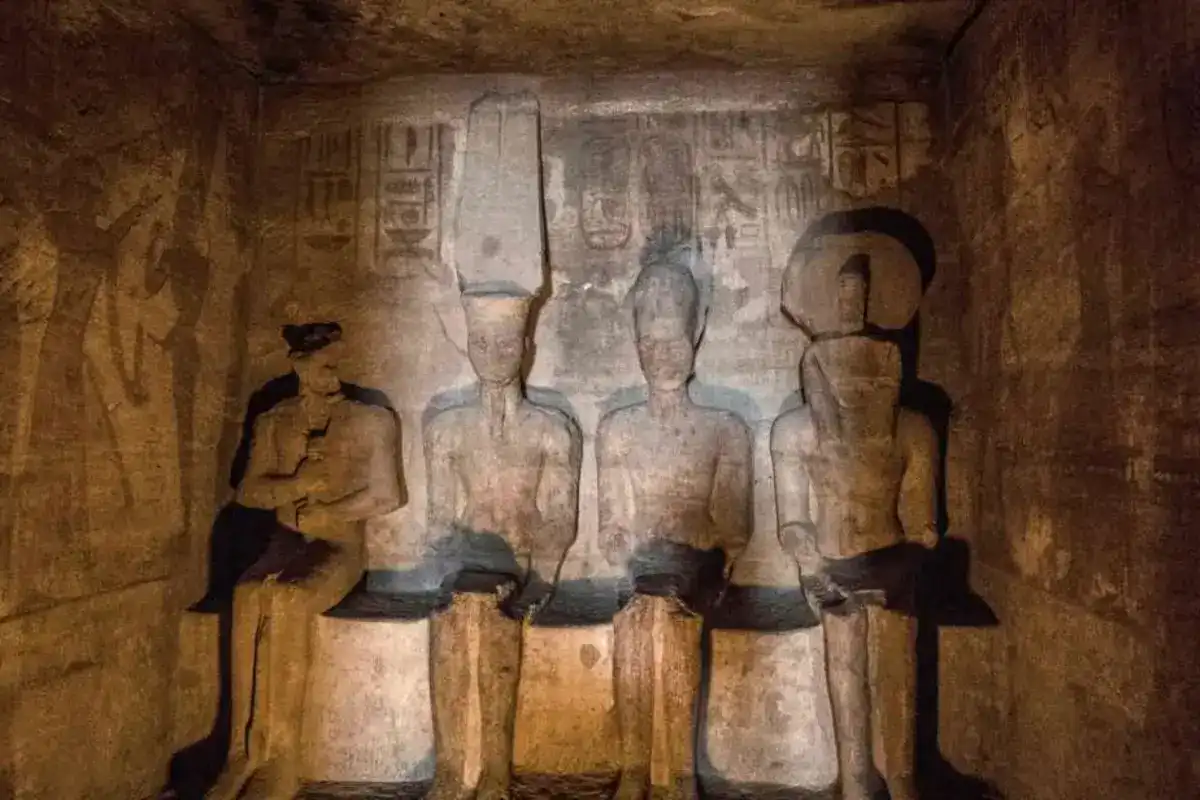
Twice each year—traditionally around 22 February and 22 October—the rising sun shines through the entrance of the Great Temple and travels more than 60 meters (200 feet) into the sanctuary.
For a few precious minutes, sunlight illuminates the statues of:
- Ramses II
- Amun-Ra
- Ra-Horakhty
The fourth statue, representing Ptah, the god associated with the underworld and darkness, remains in shadow, reflecting its religious symbolism.
Thousands of visitors travel from around the world to witness this spectacular event, making the Sun Festival one of Egypt's most famous cultural celebrations.
Many travelers include the festival in their Egypt Tour Packages or Aswan Tours to experience one of the world's most remarkable ancient astronomical achievements.
The UNESCO Rescue Project
During the construction of the Aswan High Dam in the 1960s, the rising waters of Lake Nasser threatened to submerge the Abu Simbel Temples forever.
Recognizing the site's immense historical importance, UNESCO launched an international rescue campaign in 1964, bringing together experts from around the world.
Over four years, engineers carefully cut the temples into more than 1,000 massive stone blocks, each weighing up to 30 tons. Every block was precisely numbered, moved approximately 65 meters (213 feet) inland and about 60 meters (197 feet) higher, before being reassembled with extraordinary accuracy.
The project was completed in 1968 and remains one of the greatest archaeological preservation achievements in history. Without this ambitious effort, one of Egypt's most treasured monuments would have disappeared beneath the waters of Lake Nasser.
Today, visitors often find it difficult to believe that the temples have been relocated because the reconstruction preserved both their appearance and the famous solar alignment.
Architecture and Design
The Abu Simbel Temples represent the peak of ancient Egyptian rock-cut architecture. Instead of being built from separate stone blocks, both temples were carved directly into the natural sandstone cliffs of Nubia.
The Great Temple extends approximately 63 meters (207 feet) into the mountain and consists of:
- A monumental entrance façade.
- A grand hypostyle hall.
- Side chambers.
- Storage rooms.
- A sacred sanctuary.
Every wall is covered with beautifully preserved hieroglyphs and reliefs illustrating religious ceremonies, royal achievements, and interactions between Ramses II and the gods.
The smaller Temple of Nefertari follows a similar design but on a more intimate scale, emphasizing elegance and religious devotion.
The careful orientation of the temples, allowing the rising sun to illuminate the sanctuary twice each year, demonstrates the extraordinary mathematical and astronomical knowledge of ancient Egyptian architects.
Interesting Facts About Abu Simbel
- Abu Simbel was built more than 3,200 years ago.
- The temples were commissioned by Pharaoh Ramses II.
- The Great Temple features four colossal statues, each about 20 meters (66 feet) high.
- The smaller temple honors Queen Nefertari, one of the few queens celebrated with a monument of this scale.
- The temples were relocated during the UNESCO Rescue Campaign to save them from flooding caused by the Aswan High Dam.
- The famous Sun Festival occurs twice each year when sunlight reaches the inner sanctuary.
- Abu Simbel forms part of the UNESCO World Heritage Site of the Nubian Monuments.
- It is one of the highlights of many Aswan Tours, Egypt Tour Packages, and Nile Cruise Packages.
Planning Your Visit to the Abu Simbel Temples
A visit to the Abu Simbel Temples is one of the most unforgettable experiences in Egypt. Located approximately 280 kilometers (174 miles) south of Aswan near the Sudanese border, these magnificent rock-cut temples reward visitors with breathtaking architecture, fascinating history, and one of the world's greatest archaeological achievements.
Although Abu Simbel is farther from Egypt's main tourist destinations, it is one of the highlights of many Egypt Tour Packages, Aswan Tours, Private Egypt Tours, and Luxury Egypt Tours. Many travelers visit on a day trip from Aswan, while others include the temples as part of a longer itinerary through Upper Egypt before or after a Nile Cruise Package.
Opening Hours
The Abu Simbel Temples are open daily throughout the year.
Opening Hours:
Daily: 6:00 AM – 5:00 PM
Visitors planning to attend the Abu Simbel Sun Festival should arrive before sunrise, as the event begins early in the morning.
Ticket Information
An entrance ticket is required to visit the Abu Simbel Temples.
Ticket prices are set by the Egyptian authorities and may change periodically. Reduced rates are usually available for students with valid identification.
Many Aswan Tours, Private Egypt Tours, and Egypt Tour Packages include transportation, entrance arrangements, and the services of a licensed Egyptologist guide.
Best Time to Visit
The best time to visit Abu Simbel is between October and April, when temperatures are cooler and sightseeing is more comfortable.
For the best experience:
- Arrive early in the morning.
- Spend 2–3 hours exploring both temples.
- Consider visiting during the Sun Festival in February or October.
- Wear comfortable shoes suitable for walking.
Because Abu Simbel is located in southern Egypt, summer temperatures can exceed 40°C (104°F), making early morning visits the most comfortable option.
How to Get There
Abu Simbel can be reached in several ways:
- By road from Aswan (approximately 3–4 hours each way).
- By domestic flight from Cairo or Aswan.
- As part of an organized Abu Simbel Tour.
- Through a private excursion included in an Egypt Tour Package.
Many visitors travel from Aswan early in the morning and return later the same day before continuing their journey on a Nile Cruise Package or exploring other attractions in Upper Egypt.
Photography Tips
Abu Simbel is one of the most photogenic archaeological sites in Egypt.
For the best photos:
- Visit shortly after sunrise.
- Capture the four colossal statues from a low angle.
- Photograph both temples against the backdrop of Lake Nasser.
- Take wide-angle images of the temple façade.
- Respect any photography regulations inside the temples.
Morning light provides the best conditions for photographing the impressive sandstone sculptures.
Visitor Tips
To enjoy the best possible experience:
- Bring plenty of drinking water.
- Wear lightweight clothing and a hat.
- Use sunscreen, especially during warmer months.
- Carry your camera with extra batteries.
- Allow enough time to explore both temples.
Hire a licensed Egyptologist guide to fully appreciate the history, symbolism, and remarkable engineering of the site.
Nearby Attractions
Visitors to Abu Simbel often combine their trip with several other famous attractions in Upper Egypt.
Philae Temple
A beautifully preserved temple dedicated to the goddess Isis, located on Agilkia Island near Aswan.
Aswan High Dam
One of the largest engineering projects of the twentieth century and the reason behind the UNESCO relocation of Abu Simbel.
Unfinished Obelisk
An enormous granite obelisk that provides fascinating insight into ancient Egyptian stone-working techniques.
Kom Ombo Temple
A unique double temple dedicated to Sobek, the crocodile god, and Horus the Elder, located along the Nile between Aswan and Edfu.
Edfu Temple
One of the best-preserved temples in Egypt, dedicated to Horus and included in most Nile Cruise Packages.
Lake Nasser
One of the world's largest artificial lakes, created after the construction of the Aswan High Dam.
Conclusion
The Abu Simbel Temples stand among the greatest achievements of ancient Egyptian civilization. Their colossal statues, magnificent rock-cut architecture, remarkable solar alignment, and inspiring UNESCO rescue story make them one of the most extraordinary historical sites in the world. Whether you are fascinated by history, architecture, or archaeology, a visit to Abu Simbel is an unforgettable experience that reveals the power and ambition of Pharaoh Ramses II.
To make the most of your journey through Upper Egypt, combine Abu Simbel with other iconic attractions such as Philae Temple, Kom Ombo Temple, Edfu Temple, the Aswan High Dam, and the Unfinished Obelisk. These sites provide a deeper understanding of Egypt's rich cultural heritage and are often included in expertly planned itineraries.
Our Egypt Tour Packages, Aswan Tours, Private Egypt Tours, Luxury Egypt Tours, and selected Nile Cruise Packages offer the opportunity to explore Abu Simbel with experienced Egyptologist guides, ensuring an enriching and memorable visit to one of the world's most iconic ancient monuments.