

Pyramid of Menkaure Overview
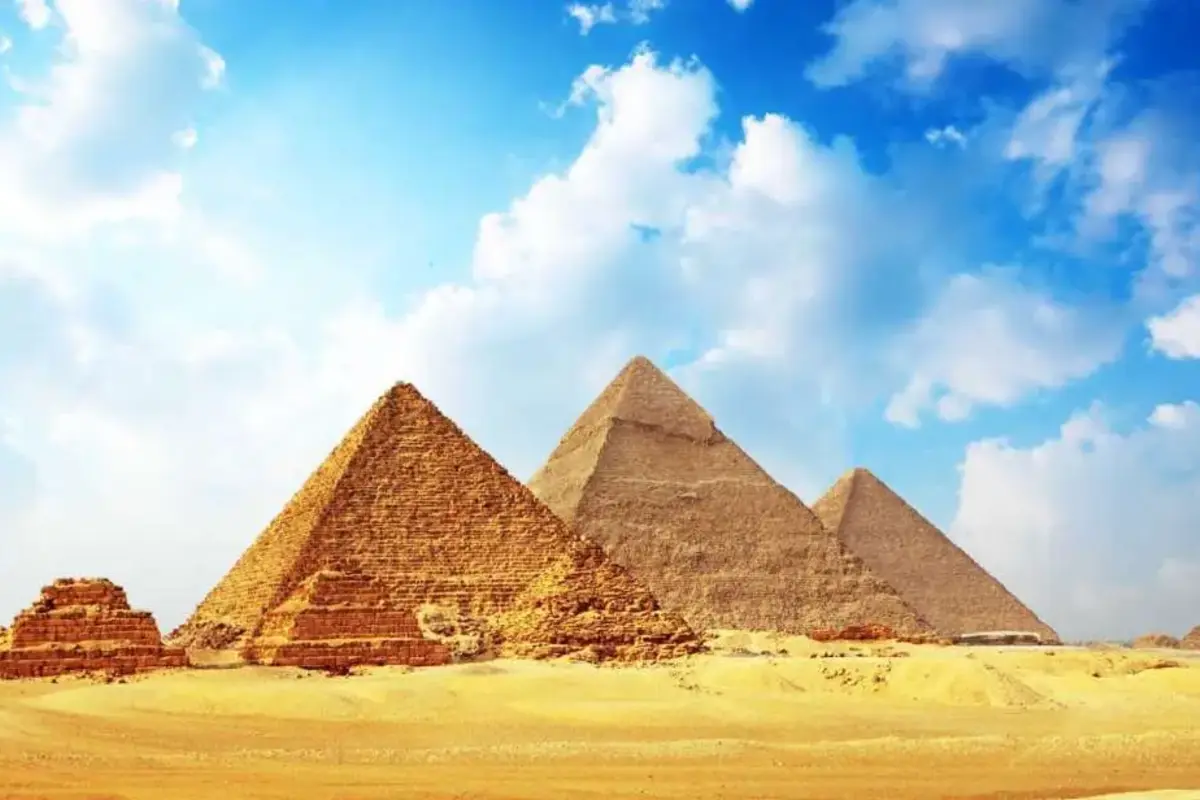
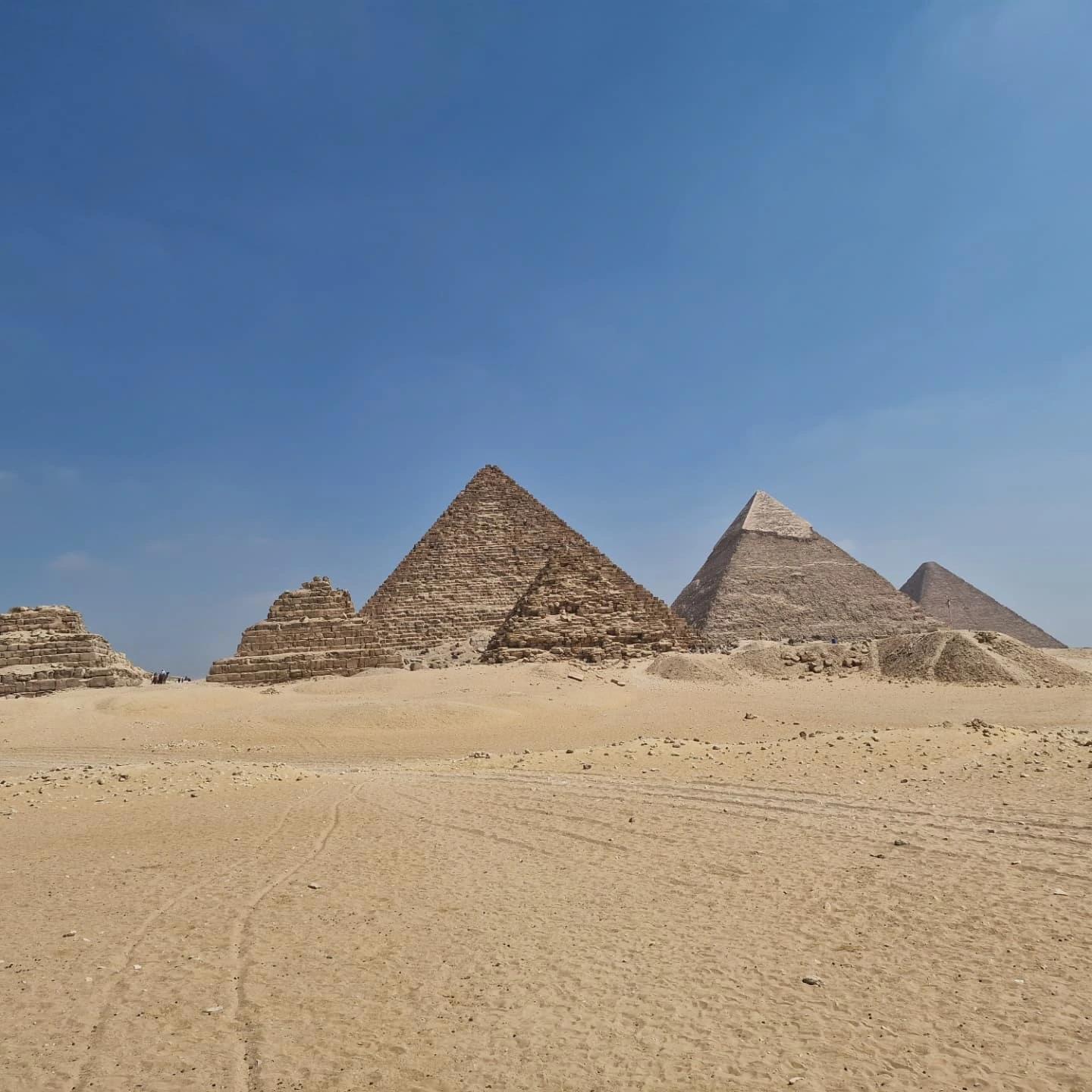
The Pyramid of Menkaure is the smallest of the three principal pyramids on the Giza Plateau, yet it is an extraordinary monument that completes one of the most famous archaeological landscapes in the world. Built during Egypt's Fourth Dynasty as the tomb of Pharaoh Menkaure, the pyramid represents the final major royal pyramid constructed at Giza. Together with the Great Pyramid of Khufu and the Pyramid of Khafre, it forms the celebrated group of Giza Pyramids, an essential destination for anyone exploring the ancient history of Cairo.
The Pyramid of Menkaure originally stood at approximately 65 meters high and was constructed using limestone and granite. Particularly impressive are the large granite blocks used in parts of the lower courses, demonstrating the technical ability and enormous effort required to construct royal monuments during Egypt's Old Kingdom. Although the pyramid has suffered considerable damage over thousands of years, its remaining structure continues to provide valuable evidence about ancient Egyptian architecture and funerary traditions.
Menkaure's pyramid was part of a much larger funerary complex that included a mortuary temple, valley temple and connecting causeway. These structures were designed to support the religious ceremonies associated with the pharaoh's burial and his journey into the afterlife. Archaeological discoveries around the complex have also provided important information about the people and communities who supported the construction and operation of the royal necropolis.
Visiting the Pyramid of Menkaure is an excellent opportunity to see a different side of the Giza Plateau. While the Great Pyramid is famous for its extraordinary scale and Khafre's pyramid is recognizable for the limestone casing remaining at its summit, Menkaure offers an opportunity to appreciate the details of ancient construction and the changing design of royal pyramids.
A Giza Pyramids and Sphinx tour can include Menkaure alongside the Great Pyramid of Khufu, Pyramid of Khafre and Great Sphinx. With a professional Egyptologist, you can learn how the three pyramids were built, why they were positioned together and how they functioned as royal funerary complexes.
Travelers can also combine Giza with the Grand Egyptian Museum and other Cairo day tours for a comprehensive exploration of ancient and modern Egyptian culture. If you are planning a longer Egypt tour package, the Giza Plateau can easily be combined with Luxor, Aswan and a Nile cruise.
The Pyramid of Menkaure is therefore more than the smallest of the Giza pyramids. It is an important part of Egypt's ancient heritage and an essential stop for travelers who want to understand the complete story of the Giza necropolis.
Highlights
- Visit the smallest of the three principal Giza pyramids.
- Learn about Pharaoh Menkaure and the Fourth Dynasty.
- See the use of granite in the pyramid's lower sections.
- Explore the remains of the ancient funerary complex.
- Understand the purpose of Old Kingdom royal pyramids.
- Combine Menkaure with Khufu, Khafre and the Great Sphinx.
- Enjoy expert explanations from a professional Egyptologist.
- Add Giza to a private Cairo or wider Egypt itinerary.
- History of the Pyramid of Menkaure
- The pyramid was constructed for Pharaoh Menkaure, who ruled during Egypt's Fourth Dynasty. His reign followed those of Khufu and Khafre, the pharaohs associated with the other two major Giza pyramids.
- The original pyramid complex included temples and a causeway connecting different areas used in the king's funerary rituals. Excavations have uncovered important remains that have helped archaeologists understand the construction and religious functions of the complex.
Architecture
Menkaure's pyramid is distinctive because granite was used extensively in its lower courses, while limestone formed much of the upper structure. The combination of materials created a monument that was both technically challenging and visually impressive.
The pyramid originally had a smooth outer casing, although most of this has disappeared over time.
Can You Enter the Pyramid of Menkaure?
Interior access may be available depending on current site regulations and ticket availability. Conditions can change, so visitors should confirm access when purchasing their entrance tickets.
Best Time to Visit
The cooler period from October to April is generally the most comfortable time to explore Giza. During summer, an early-morning visit is recommended to avoid the strongest heat.