

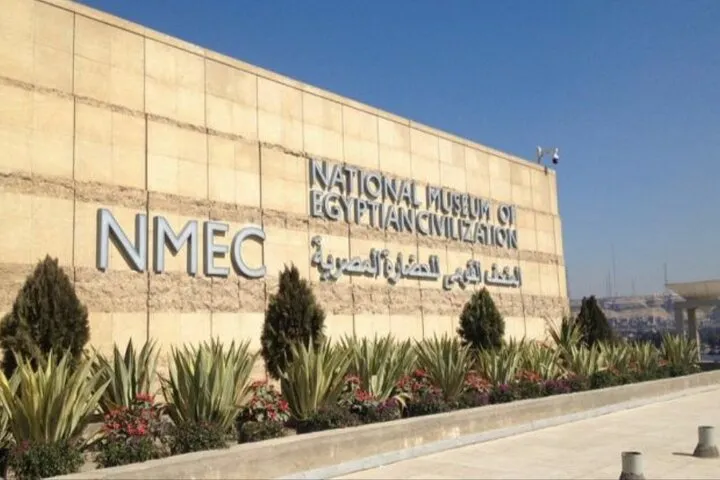
National Museum of Egyptian Civilization
The National Museum of Egyptian Civilization (NMEC) is one of Egypt's most important museums, offering visitors a unique journey through more than 7,000 years of Egyptian history. Located in Fustat, the historic heart of Old Cairo, the museum presents the story of Egypt from prehistoric times through the Pharaonic, Greco-Roman, Coptic, Islamic, and Modern eras, making it the first museum in Egypt and the Arab world dedicated to the complete history of Egyptian civilization
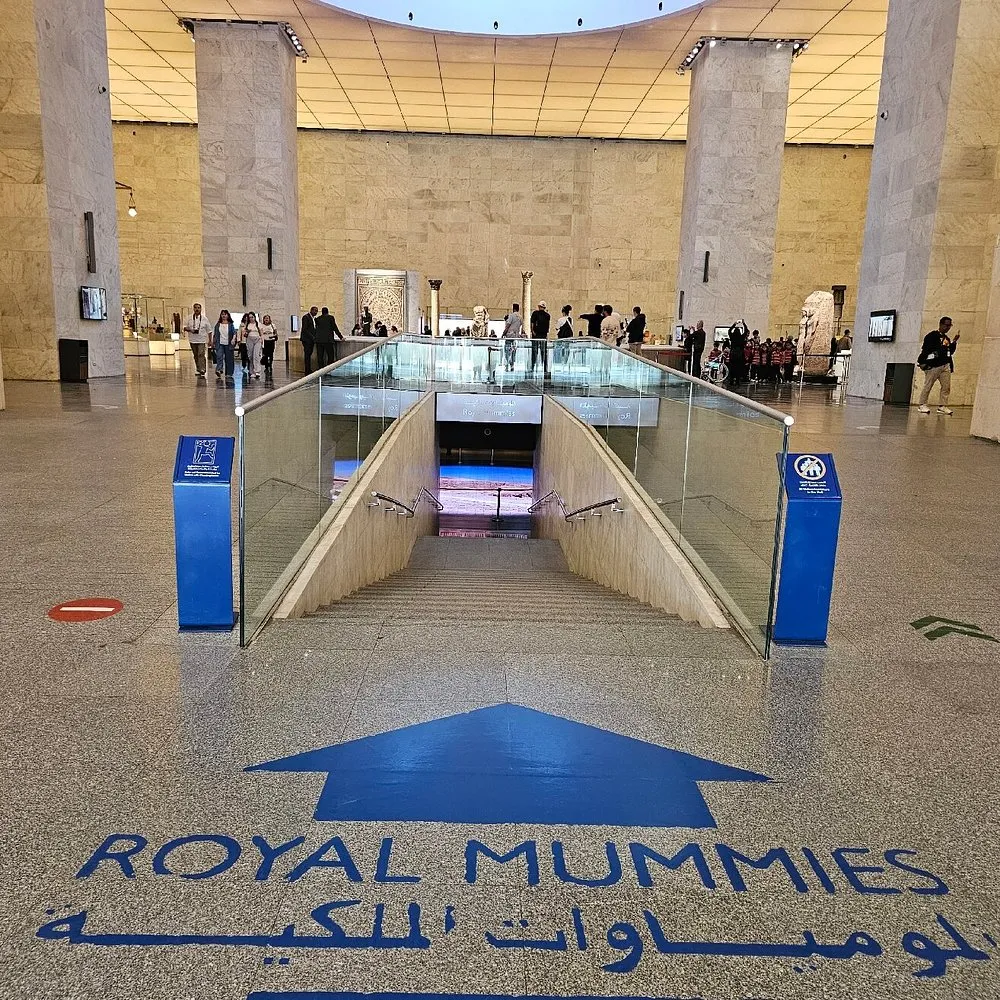
The museum gained worldwide recognition in 2021 when it became the permanent home of the Royal Mummies, following the spectacular Pharaohs' Golden Parade. Today, visitors can admire the mummies of some of Egypt's greatest rulers, including Ramses II, Seti I, Seqenenre Tao, and Queen Hatshepsut, displayed in a state-of-the-art gallery designed to recreate the atmosphere of ancient royal tombs.
Beyond the Royal Mummies Hall, NMEC features thousands of artifacts showcasing the continuous development of Egyptian civilization. Interactive displays, multimedia presentations, and beautifully curated galleries provide an engaging experience for visitors of all ages.
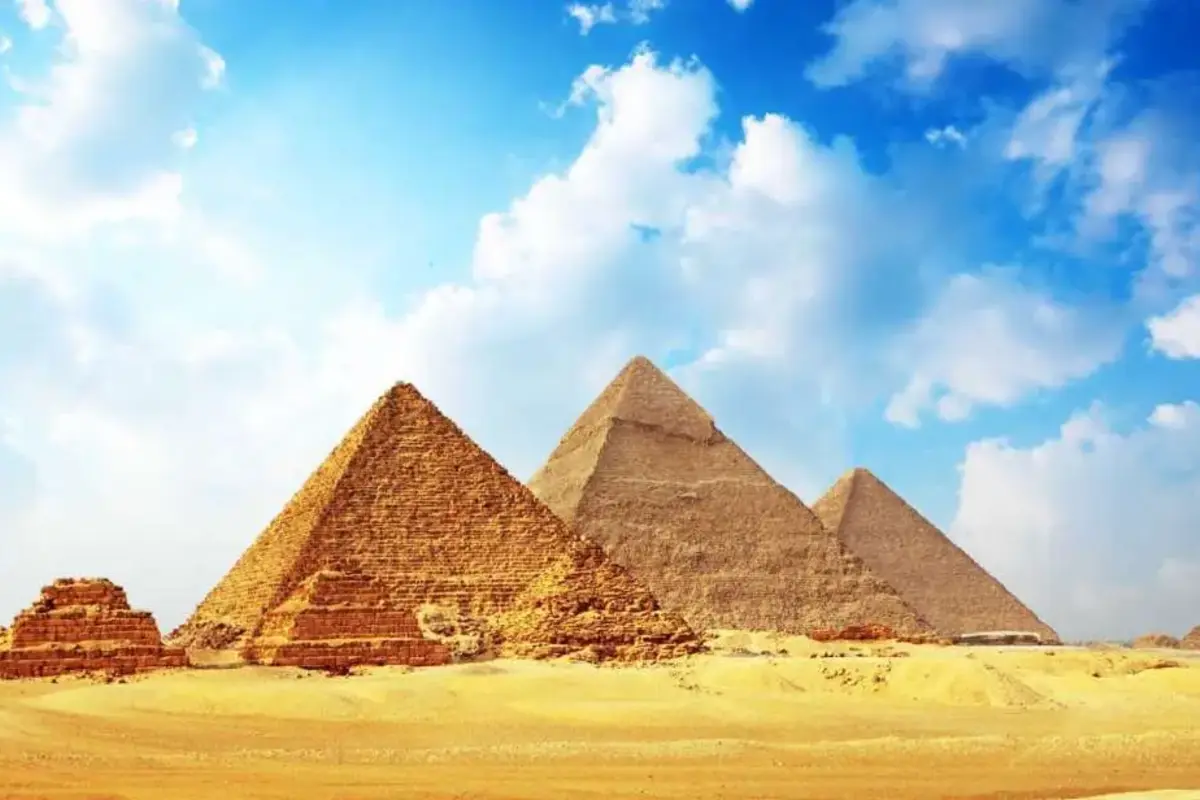
Whether you are visiting Cairo for the first time or returning to explore Egypt's remarkable heritage, the National Museum of Egyptian Civilization is an essential stop that perfectly complements visits to the Grand Egyptian Museum, the Great Pyramids of Giza, Saqqara, and Old Cairo.
History of the National Museum of Egyptian Civilization
The idea of establishing the National Museum of Egyptian Civilization was first proposed with support from UNESCO to create a museum that would present the complete story of Egyptian civilization rather than focusing on a single historical period. The museum was built in Fustat, Egypt's first Islamic capital, a location rich in archaeological and historical significance.
The museum partially opened in 2017, but it achieved international fame on 3 April 2021 when it officially welcomed the 22 Royal Mummies transferred from the Egyptian Museum in Tahrir Square during the globally televised Pharaohs' Golden Parade. This historic event celebrated Egypt's cultural heritage and introduced millions of viewers to NMEC.
Today, NMEC houses around 50,000 artifacts illustrating the continuity of Egyptian civilization from prehistoric times to the present day. Its exhibitions combine archaeological treasures with modern technology, making it one of the country's leading cultural institutions.
Museum Collections and Architecture
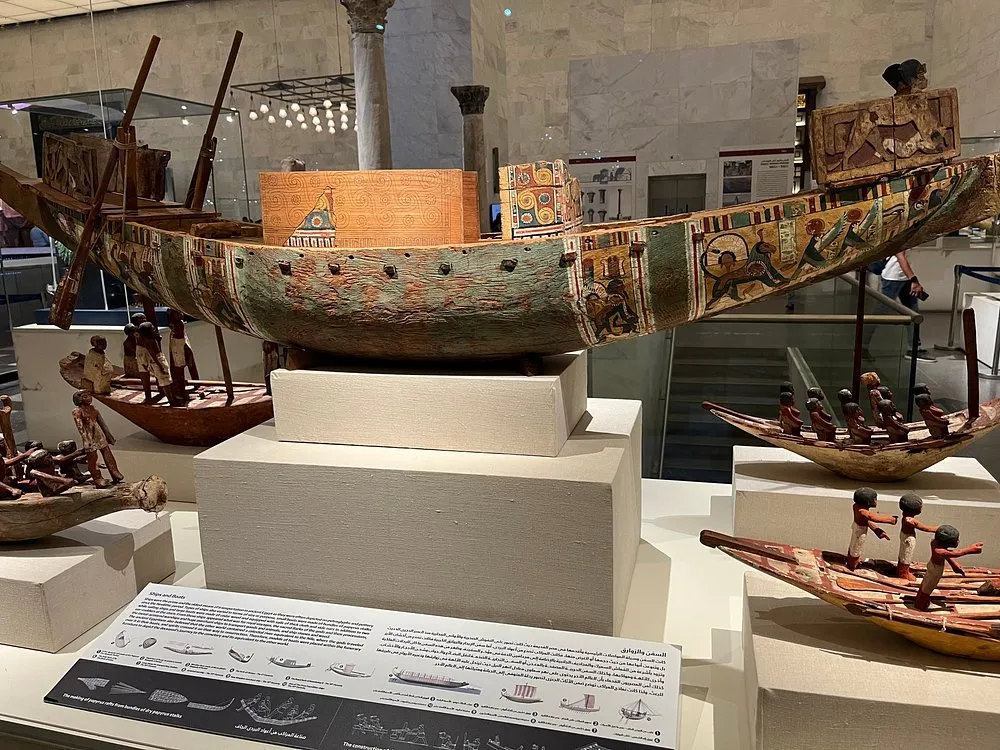
The National Museum of Egyptian Civilization (NMEC) is designed to present the complete story of Egypt through a modern and immersive museum experience. Unlike museums that focus mainly on the Pharaonic period, NMEC explores every major chapter of Egyptian history, from prehistoric settlements to modern Egypt.
The museum combines contemporary architecture with advanced exhibition techniques, interactive displays, multimedia presentations, and carefully designed galleries that allow visitors to experience Egypt's cultural development across thousands of years.
Covering more than 135,000 square meters, NMEC is one of the largest museums in the Middle East dedicated to civilization. Its spacious exhibition halls, educational facilities, conservation laboratories, conference center, restaurants, and gardens make it both a world-class museum and a major cultural destination.
Top Things to See at NMEC
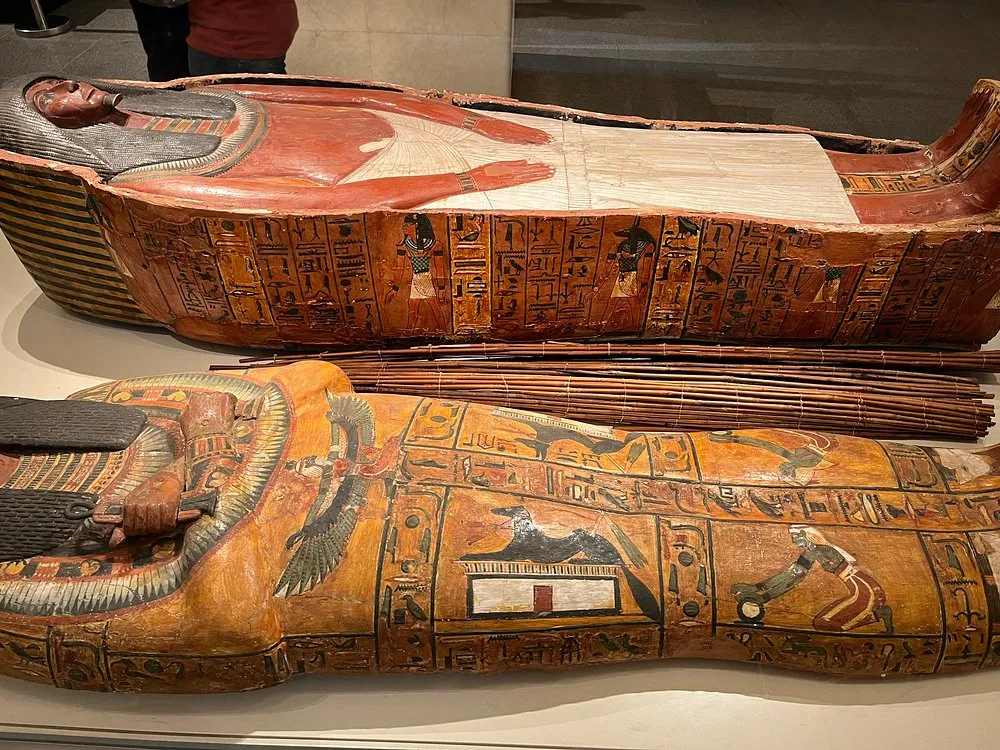
The Royal Mummies Hall
The Royal Mummies Hall is the museum's most famous attraction and one of the highlights of any visit to Cairo.
Designed to resemble the atmosphere of an ancient royal tomb, the gallery displays the mummified remains of 22 Egyptian kings and queens, including some of the greatest rulers in history.
Among the most famous royal mummies are:
- Ramses II
- Seti I
- Queen Hatshepsut
- Thutmose III
- Amenhotep I
- Amenhotep III
- Merneptah
- Seqenenre Tao
Each mummy is accompanied by detailed information about the ruler's reign, achievements, and archaeological discoveries.
The Main Exhibition Hall
The Main Exhibition Hall presents more than 50,000 artifacts covering every era of Egyptian civilization.
Visitors journey through:
- Prehistoric Egypt
- Pharaonic Egypt
- Greco-Roman Egypt
- Coptic Egypt
- Islamic Egypt
- Modern Egypt
The galleries feature statues, jewelry, pottery, textiles, manuscripts, coins, funerary objects, everyday tools, and artistic masterpieces that illustrate how Egyptian civilization evolved over thousands of years.
The Civilization Galleries
One of NMEC's most distinctive features is its thematic galleries exploring different aspects of Egyptian life, including:
- Government
- Religion
- Writing
- Agriculture
- Daily life
- Trade
- Science
- Art
- Medicine
- Technology
These galleries help visitors understand not only ancient Egypt but also the cultural continuity that shaped modern Egyptian society.
Interactive Displays
NMEC incorporates modern technology throughout the museum.
Interactive touchscreens, digital maps, multimedia presentations, educational films, and reconstructed historical scenes make the museum enjoyable for both adults and children.
Temporary Exhibition Gallery
The museum regularly hosts temporary exhibitions featuring important archaeological discoveries, international collaborations, and special cultural events.
Returning visitors often find new displays that complement the permanent collections.
Conservation Center
NMEC is home to one of Egypt's leading conservation laboratories.
Although not always open to the public, the center plays an essential role in preserving ancient artifacts, royal mummies, textiles, manuscripts, wood, metal, and stone monuments using advanced scientific techniques.
Museum Gardens and Lake
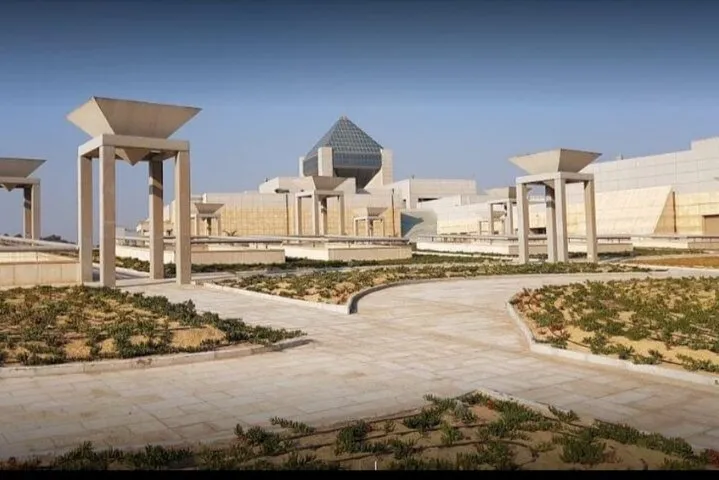
Outside the museum, visitors can enjoy beautifully landscaped gardens overlooking Ain El-Sira Lake, creating a peaceful setting for relaxation after exploring the galleries.
The outdoor area is also an excellent location for photography.
Why Visit the National Museum of Egyptian Civilization?
NMEC offers a completely different experience from other museums in Egypt.
While the Grand Egyptian Museum focuses primarily on the treasures of the pharaohs, NMEC tells the broader story of Egyptian civilization, showing how the country's culture has developed continuously for more than seven millennia.
The museum is especially famous for the Royal Mummies Hall, but its extensive collections covering prehistoric, Pharaonic, Greco-Roman, Coptic, Islamic, and modern Egypt make it one of the country's most comprehensive cultural attractions.
Whether you're a history enthusiast, archaeology lover, student, or first-time visitor, NMEC provides one of the most informative and engaging museum experiences in Egypt.
Visitor Information
Location
The National Museum of Egyptian Civilization (NMEC) is located in Fustat, Old Cairo, overlooking Ain El-Sira Lake. Its central location makes it easy to combine with many of Cairo's most famous attractions.
Nearby attractions include:
- Coptic Cairo
- The Hanging Church
- Ben Ezra Synagogue
- Amr Ibn Al-As Mosque
- The Citadel of Saladin
- The Mosque of Muhammad Ali
- Khan El Khalili Bazaar
- The Grand Egyptian Museum
- The Great Pyramids of Giza
Opening Hours
The museum is generally open throughout the week.
Opening Hours
- Daily: 9:00 AM – 5:00 PM
The Royal Mummies Hall usually follows the same opening schedule. Opening hours may change during public holidays or special events, so visitors should check before traveling.
Tickets
Ticket prices are determined by the Egyptian Ministry of Tourism and Antiquities and may change periodically.
Tickets are generally available for:
- International adults
- International students (with valid student ID)
- Egyptian citizens and residents
Some special exhibitions may require an additional ticket.
Best Time to Visit
The best time to visit NMEC is during the cooler months, from October to April.
For the most enjoyable experience:
- Arrive early in the morning to avoid larger tour groups.
- Weekdays are generally quieter than weekends.
- Allow enough time to explore the Royal Mummies Hall without rushing.
How Long Should You Spend at NMEC?
Most visitors spend 2 to 3 hours exploring the museum.
History enthusiasts and archaeology lovers may wish to spend 4 hours or more discovering the museum's extensive collections and interactive exhibits.
How to Get There
Visitors can reach NMEC by:
- Taxi or ride-hailing services from anywhere in Cairo
- Private vehicle
- Guided Cairo day tours
- Egypt tour packages
Many visitors combine NMEC with:
- Coptic Cairo
- The Hanging Church
- The Citadel of Saladin
- Khan El Khalili Bazaar
- The Grand Egyptian Museum
Travel Tips for Visiting NMEC
To make the most of your visit:
- Purchase tickets in advance during peak tourist seasons if available.
- Wear comfortable walking shoes, as the museum is large.
- Allow extra time for the Royal Mummies Hall, one of the museum's most popular attractions.
- Photography policies vary by gallery, so check the current rules upon arrival.
- Read the information panels or hire a licensed Egyptologist guide for a deeper understanding of the collections.
- Combine your museum visit with nearby attractions in Old Cairo for a full day of sightseeing.
Conclusion
The National Museum of Egyptian Civilization (NMEC) is one of Egypt's most significant cultural institutions, offering an extraordinary journey through more than 7,000 years of history. From prehistoric communities and the age of the pharaohs to the Coptic, Islamic, and modern periods, the museum presents a comprehensive story of one of the world's oldest civilizations.
The highlight of any visit is the Royal Mummies Hall, where visitors can come face to face with some of Egypt's greatest rulers, including Ramses II, Seti I, and Queen Hatshepsut. Combined with world-class exhibitions, interactive displays, and beautifully curated galleries, NMEC provides an unforgettable experience for visitors of all ages.
Whether you're exploring Cairo for the first time or returning to deepen your understanding of Egypt's rich heritage, NMEC is an essential destination. It pairs perfectly with visits to the Grand Egyptian Museum, the Great Pyramids of Giza, Saqqara, and Old Cairo, making it a cornerstone of any Egypt travel itinerary.