

Saqqara Step Pyramid: The Complete Visitor Guide to Egypt's Oldest Pyramid
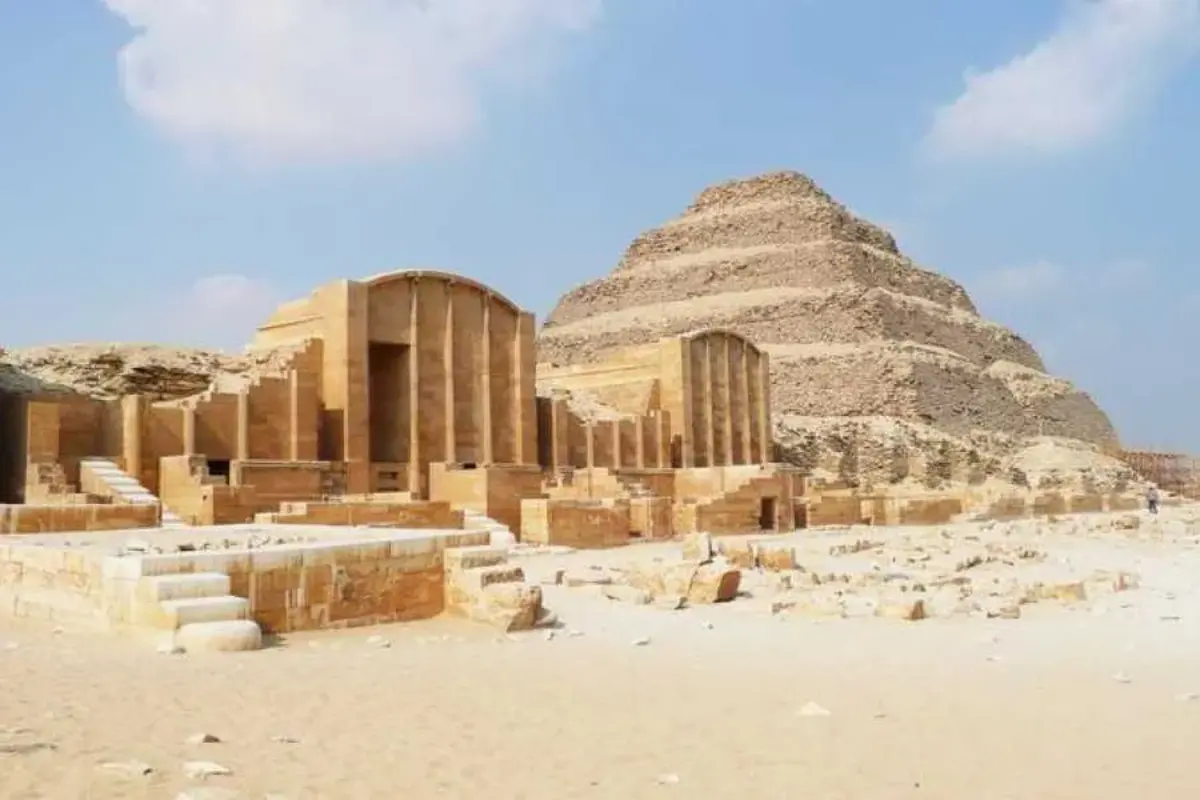
The Saqqara Step Pyramid is one of the most important archaeological sites in Egypt and a must-visit destination for anyone interested in ancient history. Located about 30 kilometers (19 miles) south of Cairo, Saqqara served as the vast royal necropolis of the ancient city of Memphis for more than 3,000 years. Its most famous monument, the Step Pyramid of King Djoser, is recognized as the world's first large-scale stone building and the earliest pyramid ever constructed.
Designed by the brilliant architect Imhotep during the 27th century BC, the Step Pyramid revolutionized monumental architecture and paved the way for the famous pyramids at Giza. Instead of smooth sides, the pyramid consists of six stacked mastabas, creating its distinctive stepped appearance. This innovative design marked a turning point in Egyptian engineering and inspired the construction of later pyramids throughout the country.
Today, Saqqara is far more than a single pyramid. The vast archaeological complex includes beautifully decorated tombs, ancient temples, ceremonial courtyards, underground chambers, museums, and monuments spanning multiple dynasties. Every excavation continues to reveal remarkable discoveries, making Saqqara one of Egypt's most active archaeological sites.
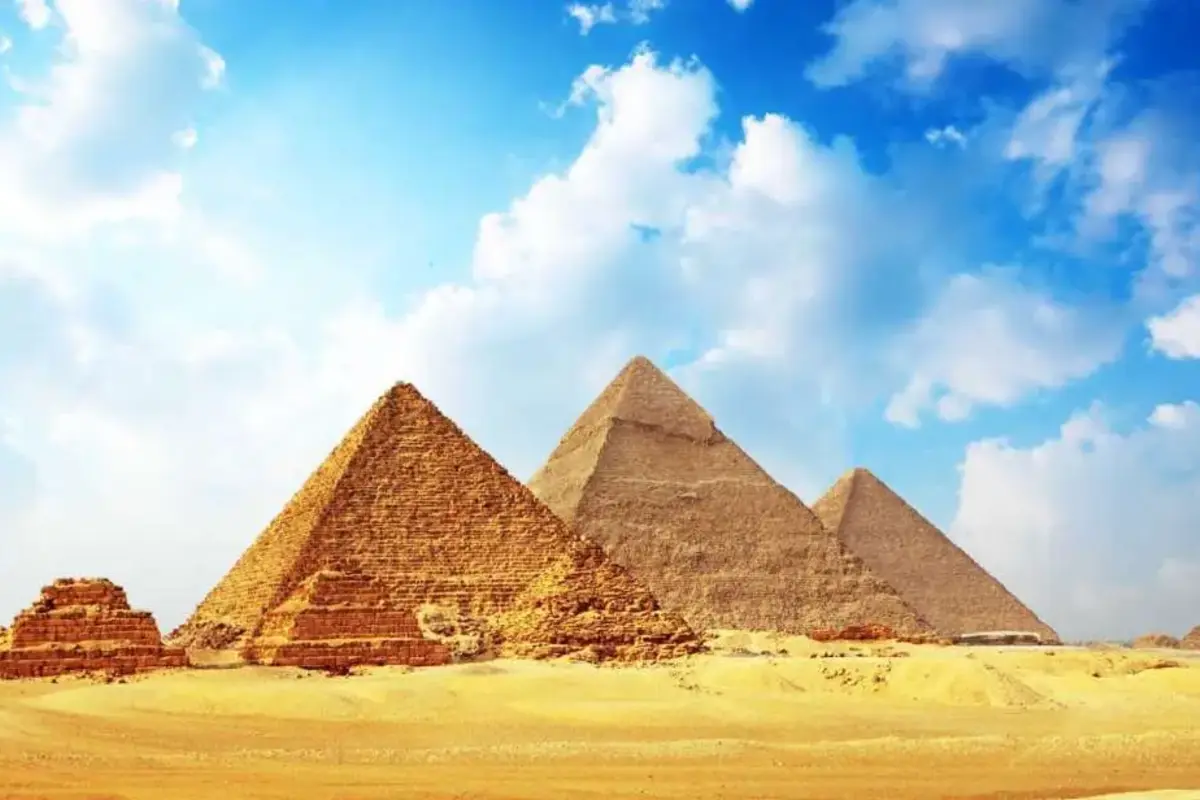
Many travelers combine a visit to Saqqara with the nearby Great Pyramids of Giza, Grand Egyptian Museum, Memphis, and Dahshur Pyramids, creating a full-day journey through the origins of ancient Egyptian civilization. If you're planning a longer itinerary, our Egypt Tour Packages and Cairo Day Tours make it easy to explore these iconic landmarks with an expert Egyptologist guide.
Whether you're passionate about archaeology, architecture, or history, the Saqqara Step Pyramid offers an unforgettable glimpse into the beginnings of one of the world's greatest civilizations.
History of the Saqqara Step Pyramid
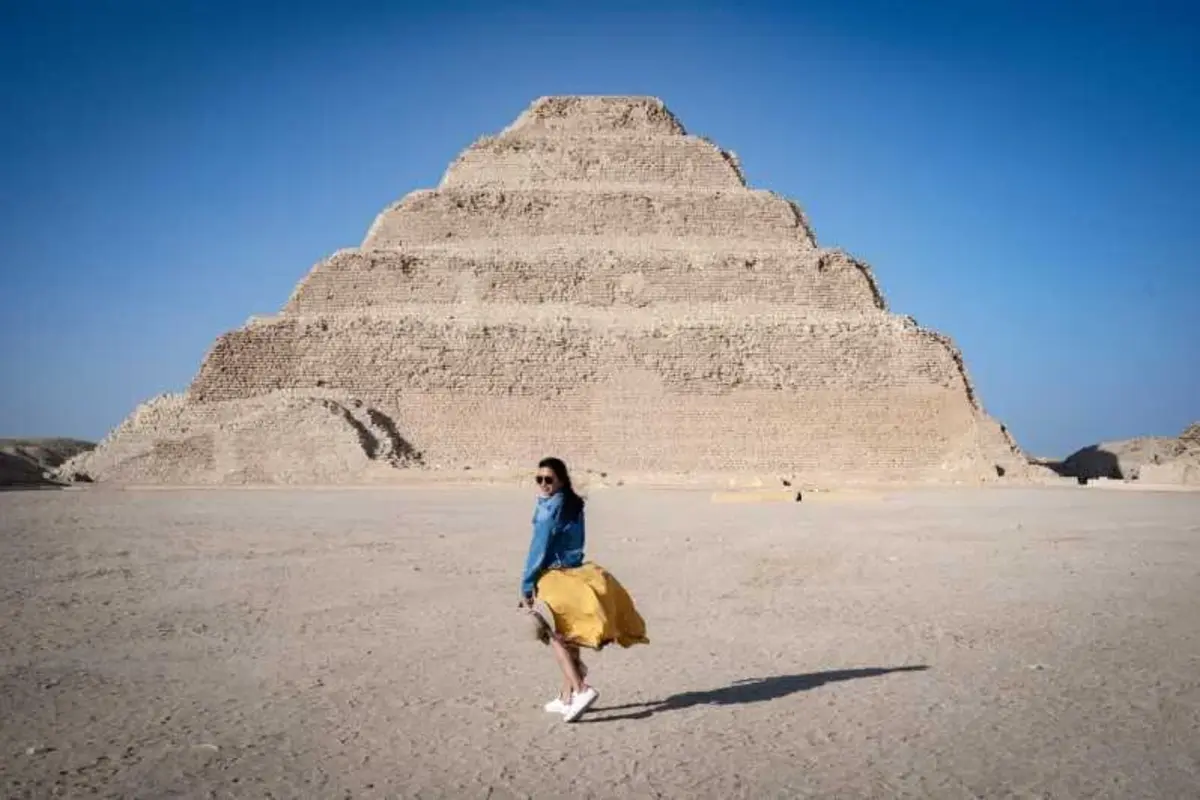
The history of the Saqqara Step Pyramid begins during Egypt's Third Dynasty, around 2670 BC, when Pharaoh Djoser commissioned a royal tomb unlike anything the world had ever seen.
Before Djoser's reign, Egyptian kings were buried in rectangular mud-brick structures known as mastabas. Although these tombs served their purpose, they lacked the monumental scale that later came to symbolize the power and divinity of Egypt's pharaohs.
Everything changed when Djoser entrusted his royal architect, Imhotep, with designing a new type of monument. Instead of building a traditional mastaba, Imhotep stacked six increasingly smaller mastabas on top of one another, creating the world's first pyramid. Constructed entirely from limestone, it was also the first monumental structure built completely from stone, representing a revolutionary achievement in engineering.
The Step Pyramid originally stood about 62 meters (203 feet) high and formed the centerpiece of an enormous funerary complex covering approximately 15 hectares (37 acres). The surrounding enclosure included ceremonial courtyards, shrines, temples, storage chambers, and underground galleries intended to serve the king in the afterlife.
Saqqara continued to function as Egypt's principal necropolis for thousands of years. Pharaohs, nobles, priests, military commanders, and officials from successive dynasties chose to be buried here, leaving behind richly decorated tombs that provide invaluable insights into daily life, religion, and art in ancient Egypt.
Today, Saqqara is recognized as part of the UNESCO World Heritage Site of Memphis and its Necropolis, preserving one of humanity's greatest architectural and archaeological achievements.
Imhotep: The Genius Behind the Step Pyramid
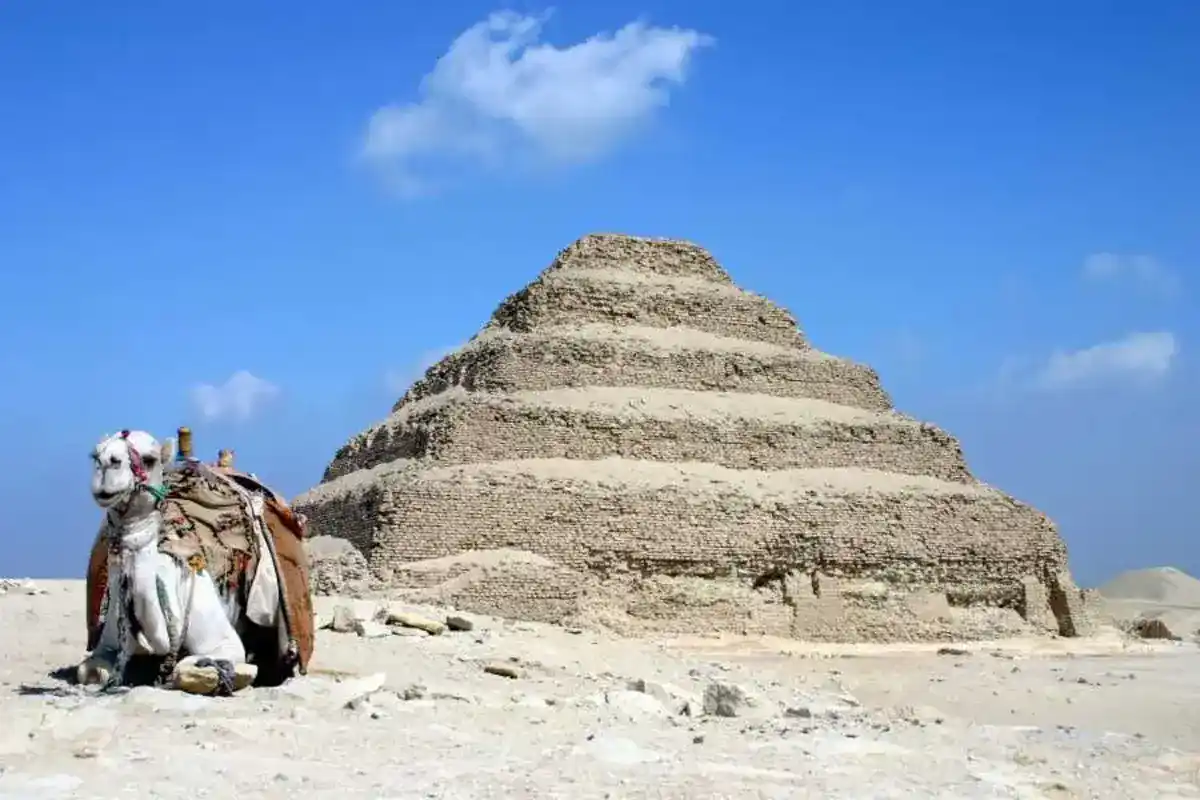
One of the most remarkable figures in ancient Egyptian history, Imhotep is remembered as the architect, engineer, physician, and royal advisor who designed the Step Pyramid of Djoser. His revolutionary ideas transformed architecture forever, earning him recognition as the world's first architect whose name is known to history.
Serving under Pharaoh Djoser during the Third Dynasty, Imhotep introduced an entirely new concept for royal tombs. Rather than constructing a single mastaba, he expanded the design by stacking six mastabas of decreasing size, creating the world's first pyramid. This innovation marked the beginning of pyramid construction in Egypt and laid the foundation for later masterpieces such as the Bent Pyramid, the Red Pyramid, and eventually the Great Pyramid of Giza.
Imhotep's achievements extended far beyond architecture. Ancient texts describe him as a gifted scholar, engineer, astronomer, and physician. His wisdom became legendary, and centuries after his death he was worshipped as a god of medicine and knowledge. The Greeks later identified him with Asclepius, their god of healing.
Today, Imhotep's legacy lives on through the Step Pyramid, which remains one of the greatest engineering achievements of the ancient world. Visitors to Saqqara continue to admire the brilliance of his design more than 4,600 years after it was built.
Architecture of the Step Pyramid
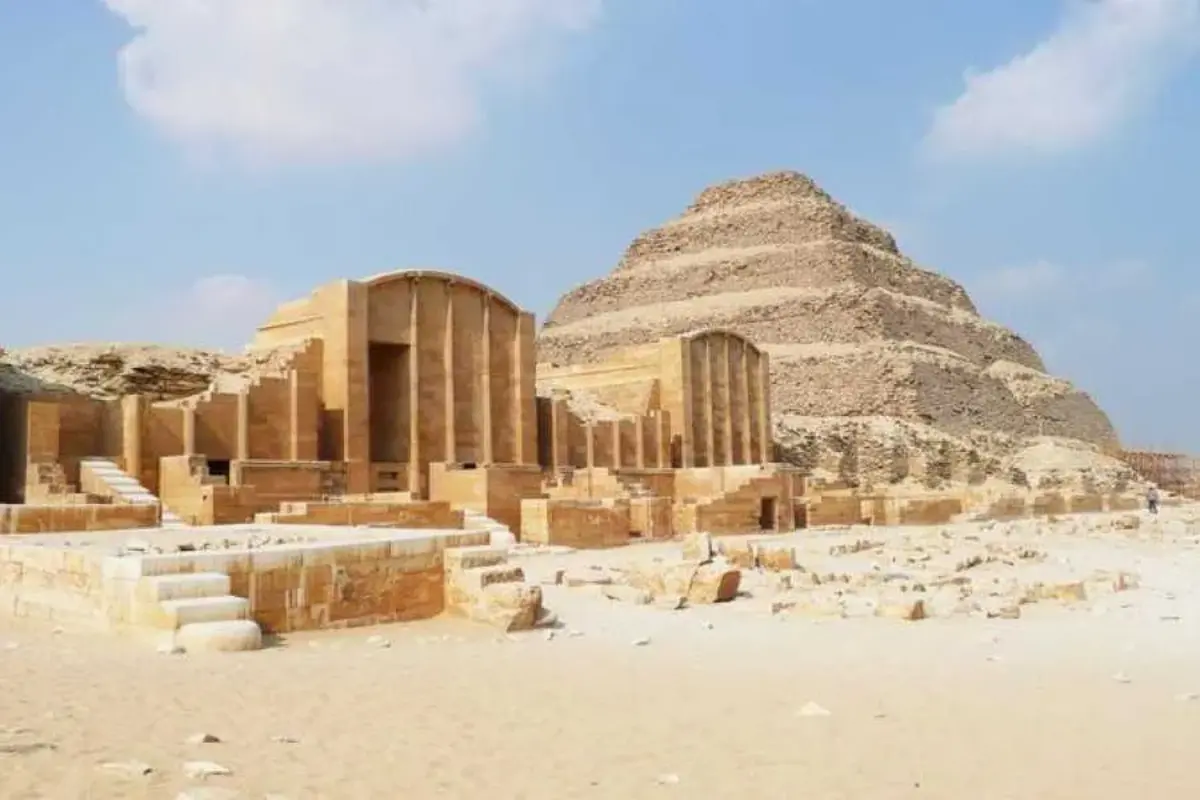
The Step Pyramid is considered one of the most important milestones in the history of architecture. Rising approximately 62 meters (203 feet) above the desert, it was the tallest structure ever built at the time of its completion.
Unlike the smooth-sided pyramids constructed during later dynasties, the Step Pyramid consists of six distinct levels, giving it its iconic stepped appearance. The monument was built using millions of limestone blocks, carefully arranged to create a durable and monumental structure that has survived for more than four millennia.
The pyramid forms the centerpiece of a vast funerary complex surrounded by a massive limestone enclosure wall measuring over 10 meters (33 feet) high. This enclosure features decorative niches and a single ceremonial entrance designed to symbolize the royal palace.
Beneath the pyramid lies an extraordinary underground network extending nearly 6 kilometers (3.7 miles). These tunnels contain royal burial chambers, storage rooms, galleries, and passages that once held treasures, offerings, and symbolic objects intended to accompany King Djoser into the afterlife.
The architectural precision of the complex demonstrates the advanced engineering skills of ancient Egyptian builders. Every courtyard, temple, and gateway was carefully planned to support religious ceremonies and celebrate the eternal kingship of Djoser.
The innovations introduced at Saqqara influenced every major pyramid built afterward, making the Step Pyramid one of the most significant monuments in world history.
Top Things to See at Saqqara
Although the Step Pyramid is the site's most famous attraction, the Saqqara Necropolis is home to many extraordinary monuments that deserve exploration. Visitors should allow enough time to discover the full archaeological complex.
Step Pyramid of Djoser
The centerpiece of Saqqara is the Step Pyramid itself. Standing before the world's first pyramid is an unforgettable experience, offering visitors the opportunity to witness the beginning of monumental stone architecture.
Heb-Sed Court
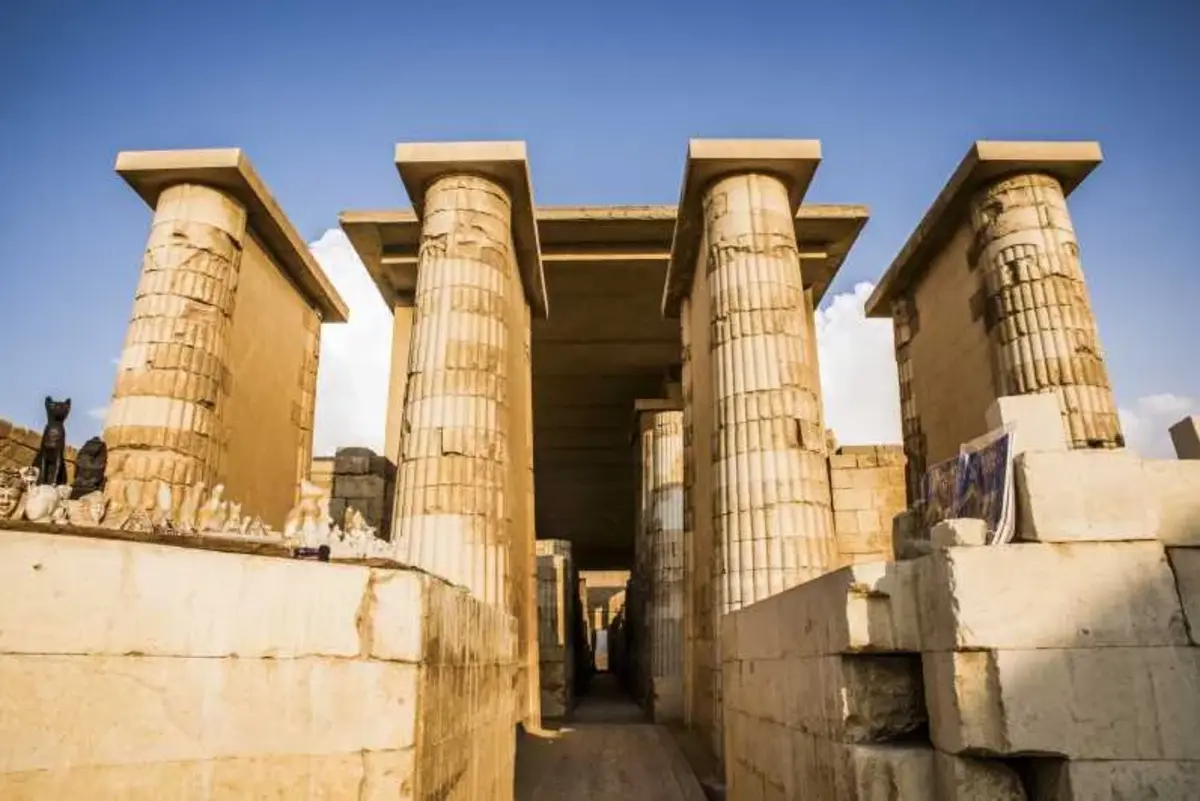
This vast ceremonial courtyard was used during the Heb-Sed Festival, an important royal celebration intended to renew the king's strength and authority. The open space is surrounded by symbolic chapels representing the provinces of ancient Egypt.
South Tomb
Located south of the pyramid, the South Tomb contains beautifully carved corridors decorated with blue faience tiles that imitate woven reed mats. Many Egyptologists believe it played an important symbolic role in the king's burial rituals.
Serdab Chamber
The Serdab housed a life-sized statue of King Djoser. Small holes in the wall allowed the king's spirit to observe religious ceremonies taking place outside. Today, visitors can view a replica, while the original statue is preserved in the Egyptian Museum.
Tomb of Ti
One of the finest private tombs in Egypt, the Tomb of Ti is famous for its remarkably detailed reliefs depicting scenes of farming, fishing, hunting, crafts, music, and daily life. These carvings provide invaluable insight into ancient Egyptian society.
Tomb of Mereruka
The Tomb of Mereruka is the largest private tomb at Saqqara, featuring more than thirty decorated chambers. Its beautifully preserved reliefs illustrate religious ceremonies, family life, agriculture, and the wealth of one of Egypt's highest-ranking officials.
Imhotep Museum
Before leaving the site, visitors should explore the Imhotep Museum, which displays statues, sarcophagi, pottery, tools, and artifacts discovered during excavations at Saqqara. The museum provides excellent context for understanding the history and significance of the necropolis.
Why Visit the Saqqara Step Pyramid?
The Saqqara Step Pyramid is one of the most extraordinary archaeological sites in the world and an essential stop for anyone interested in ancient Egyptian history. As the oldest pyramid ever built, it marks the beginning of pyramid construction and showcases the remarkable ingenuity of ancient Egyptian architects.
Unlike many famous sites that feature a single monument, Saqqara offers an entire ancient necropolis filled with pyramids, beautifully decorated tombs, temples, ceremonial courtyards, and museums. Every visit provides a deeper understanding of how Egyptian burial practices and architecture evolved over thousands of years.
One of the highlights of visiting Saqqara is the opportunity to explore monuments that are often less crowded than the Great Pyramids of Giza, allowing for a more relaxed and immersive experience. The detailed wall reliefs inside the tombs of nobles, such as Ti and Mereruka, are among the finest examples of ancient Egyptian art and provide fascinating insights into everyday life, agriculture, religion, and craftsmanship.
Saqqara is also an active archaeological site where new discoveries continue to be made. Recent excavations have uncovered sealed sarcophagi, colorful coffins, statues, and temples, adding to the site's global significance and making each visit unique.
Whether you are a history enthusiast, photographer, or first-time visitor to Egypt, the Saqqara Step Pyramid offers an unforgettable journey to the origins of one of the world's greatest civilizations.
Visitor Information
Location
The Saqqara Step Pyramid is located in the Saqqara Necropolis, approximately 30 km (19 miles) south of downtown Cairo and about 15 km (9 miles) from the Great Pyramids of Giza.
Its location makes it easy to combine with nearby attractions, including Memphis, Dahshur, and the Grand Egyptian Museum, creating a full-day historical tour.
Opening Hours
Saqqara is generally open every day.
Opening Hours
Daily: 8:00 AM – 5:00 PM
Hours may vary during public holidays or special events.
Tickets
Admission tickets are issued by the Egyptian Ministry of Tourism and Antiquities.
Ticket categories typically include:
- International adults.
- International students (with a valid student ID).
- Egyptian citizens and residents.
Some special tombs or museums within the Saqqara complex may require an additional ticket.
Best Time to Visit
The best time to visit Saqqara is between October and April, when temperatures are cooler and more comfortable for exploring the extensive archaeological site.
For the best experience:
- Arrive early in the morning to avoid crowds.
- Wear comfortable walking shoes.
- Bring water, sunscreen, sunglasses, and a hat.
- Allow at least 3–4 hours to explore the main monuments.
How to Get There
Visitors can reach Saqqara by:
- Private car or taxi from Cairo.
- Guided Cairo day tours.
- Private Egypt tour packages with transportation and an Egyptologist guide.
Many travelers combine Saqqara with:
- Great Pyramids of Giza
- Memphis
- Dahshur Pyramids
- Grand Egyptian Museum
This combination offers one of the most comprehensive introductions to ancient Egyptian civilization.
Conclusion
The Saqqara Step Pyramid is one of the greatest achievements of ancient Egyptian civilization and a landmark that changed the course of architectural history. As the world's first pyramid and the earliest monumental stone structure, it represents the beginning of an era that produced some of the most iconic monuments ever built.
Beyond the Step Pyramid itself, the vast Saqqara Necropolis offers visitors an extraordinary collection of royal tombs, beautifully decorated mastabas, ceremonial courtyards, museums, and ongoing archaeological discoveries. Every monument reveals another chapter in the story of ancient Egypt, making Saqqara one of the country's richest historical destinations.
Whether you're exploring Egypt for the first time or returning to uncover more of its fascinating heritage, a visit to the Saqqara Step Pyramid is an unforgettable experience. Combine it with nearby attractions such as the Great Pyramids of Giza, Memphis, Dahshur Pyramids, and the Grand Egyptian Museum to enjoy a complete journey through the birthplace of one of the world's greatest civilizations.