


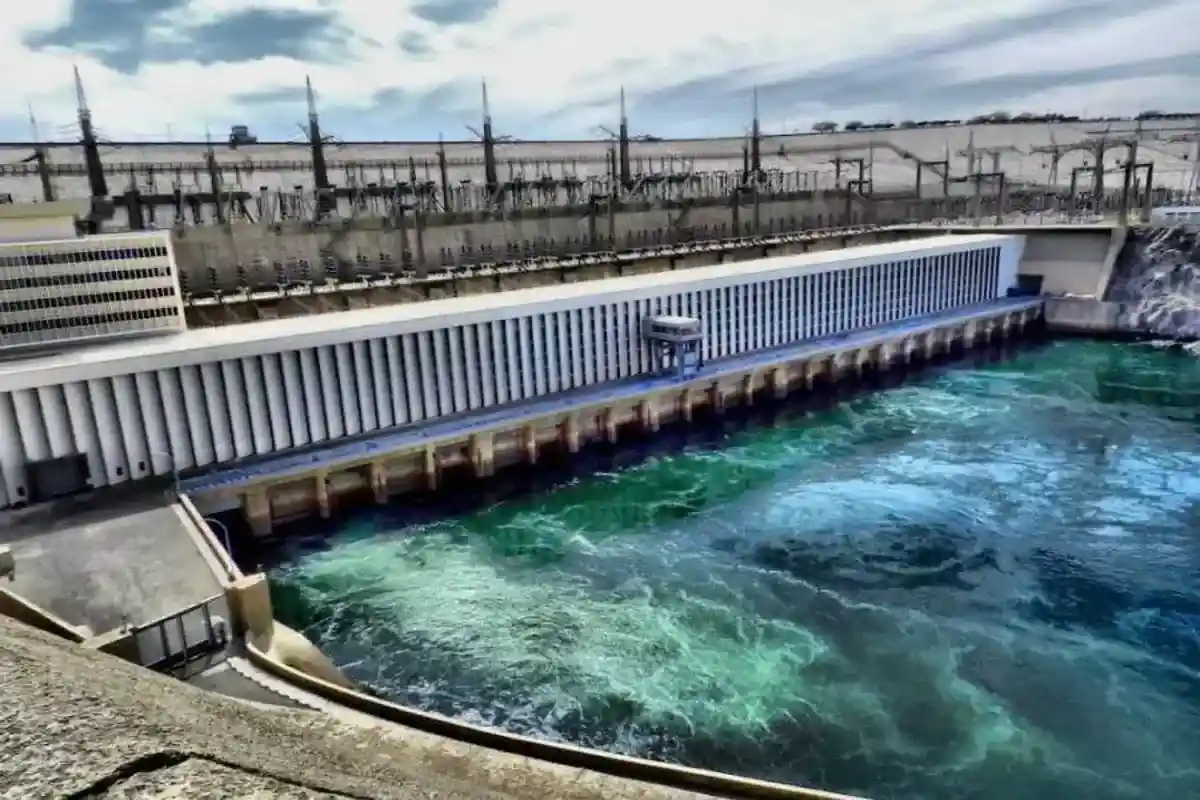
Aswan High Dam | Egypt's Engineering Marvel on the Nile
The Aswan High Dam is one of the most significant engineering projects of the 20th century and one of Egypt's most important modern landmarks. Stretching across the mighty Nile River in Aswan, the dam transformed Egypt's economy by controlling annual floods, generating hydroelectric power, and creating the vast Lake Nasser, one of the world's largest artificial lakes.
Completed in 1970, the Aswan High Dam changed the way Egyptians managed the Nile, ensuring a reliable water supply for agriculture, protecting communities from devastating floods, and producing electricity that supported the country's industrial development. Today, it stands as a symbol of Egypt's modernization and engineering achievement.
Visitors to the Aswan High Dam enjoy panoramic views of Lake Nasser, the Nile River, and the surrounding desert landscape. The site also offers fascinating insights into one of the most ambitious construction projects ever undertaken in Africa and the Middle East.
The dam is included in nearly every Aswan Day Tour and is often visited alongside the Philae Temple, the Unfinished Obelisk, and the Nubian Museum. Travelers continuing south frequently combine it with a visit to the magnificent Abu Simbel Temples, while those enjoying Nile Cruise Packages often explore the dam before boarding or after disembarking in Aswan.
Whether you're interested in history, engineering, geography, or modern Egypt, the Aswan High Dam offers a fascinating contrast to the country's ancient monuments and provides a deeper understanding of how the Nile continues to shape Egyptian life.
History of the Aswan High Dam
For thousands of years, the Nile River has been the lifeblood of Egypt, providing fertile land, transportation, and water for millions of people. However, the river's annual floods could be both beneficial and destructive. Some years brought rich harvests, while others caused devastating floods or severe droughts that threatened agriculture and local communities.
To better control the Nile's water, the Aswan Low Dam was completed in 1902 during British rule. Although it improved water storage, it soon became clear that a much larger dam was needed to meet Egypt's growing population and agricultural demands.
Construction of the Aswan High Dam began in 1960 under President Gamal Abdel Nasser and was completed in 1970 with technical and financial assistance from the Soviet Union. The project became one of the largest engineering achievements of the twentieth century and marked a turning point in Egypt's modern development.
The construction of the dam created Lake Nasser, one of the world's largest man-made lakes, stretching more than 500 kilometers (310 miles) across southern Egypt and northern Sudan. The reservoir now stores vast quantities of freshwater, ensuring a reliable water supply for irrigation, drinking water, and hydroelectric power generation.
One of the greatest challenges during construction was protecting the priceless ancient monuments that would have been submerged beneath the rising waters of Lake Nasser. An international rescue campaign led by UNESCO successfully relocated several historic temples, including the magnificent Abu Simbel Temples and the beautiful Philae Temple. Visitors exploring these extraordinary monuments today can appreciate one of the greatest archaeological preservation efforts in history.
Today, the Aswan High Dam continues to play a vital role in Egypt's economy by regulating the Nile's flow, protecting the country from major floods, supporting year-round agriculture, and generating renewable electricity. Many travelers discover this remarkable story while visiting the dam as part of Aswan Day Tours, Egypt Tour Packages, or Nile Cruise Packages, often alongside nearby attractions such as the Unfinished Obelisk, the Nubian Museum, and Elephantine Island.
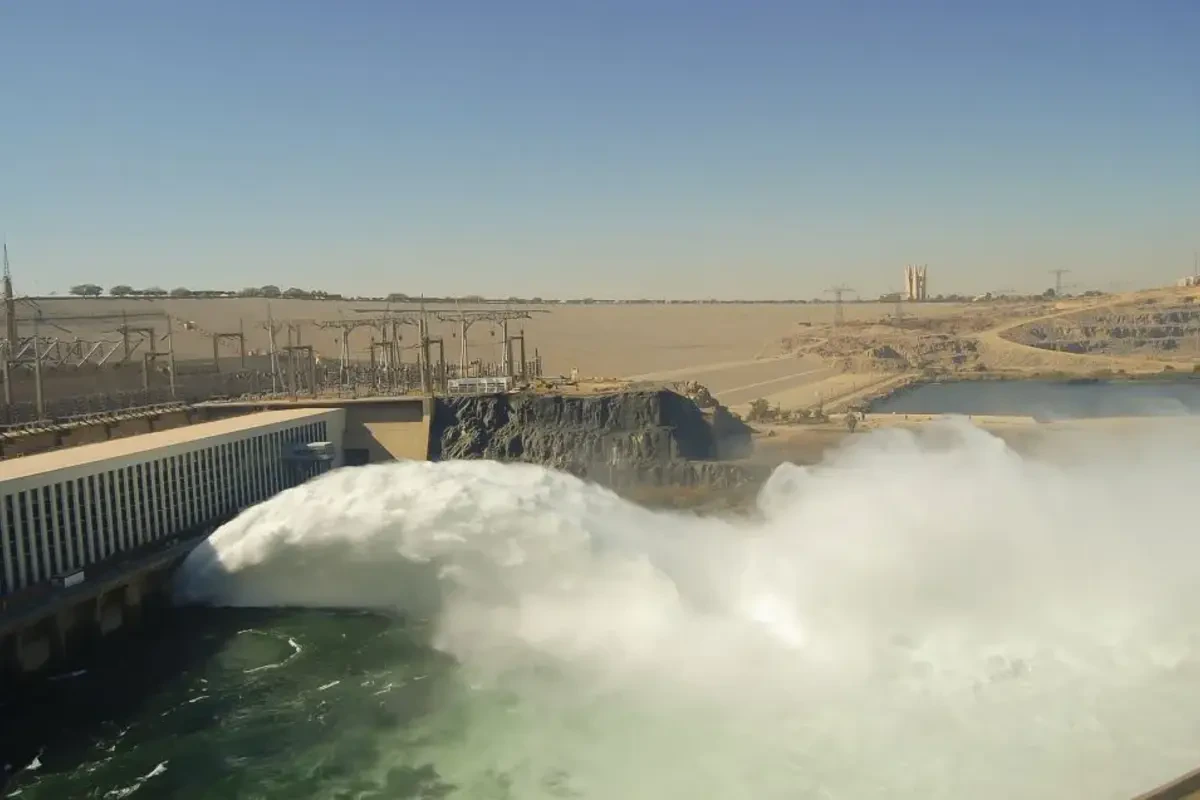
Engineering and Construction
The Aswan High Dam is one of the largest embankment dams in the world and remains an outstanding example of modern engineering. Built primarily from rock and earth rather than concrete, the structure was designed to withstand the immense pressure created by Lake Nasser while providing long-term protection against flooding.
The dam measures approximately:
- 3,830 meters (12,565 feet) long.
- 980 meters (3,215 feet) wide at its base.
- 111 meters (364 feet) high.
- More than 43 million cubic meters of construction material were used.
Its hydroelectric power station contains multiple turbines capable of generating a significant portion of Egypt's electricity, helping power homes, industries, and infrastructure across the country.
Standing on top of the dam, visitors can enjoy spectacular panoramic views in both directions. On one side lies the vast expanse of Lake Nasser, while on the other, the mighty Nile River continues its journey north toward Luxor, Cairo, and the Mediterranean Sea.
The construction of the Aswan High Dam transformed life in Egypt by:
- Controlling the Nile's annual floods.
- Providing water for year-round irrigation.
- Generating clean hydroelectric power.
- Improving agricultural productivity.
- Supporting economic growth and industrial development.
- Creating one of the world's largest artificial lakes.
For travelers interested in both ancient and modern Egypt, visiting the Aswan High Dam offers a fascinating contrast to nearby archaeological sites such as Philae Temple, Kom Ombo Temple, Edfu Temple, and the world-famous Abu Simbel Temples. Many visitors also combine the experience with the Nubian Museum, where they can learn about the history and culture of Nubian communities affected by the creation of Lake Nasser.
Top Things to See at the Aswan High Dam
Although the Aswan High Dam is a modern landmark, it offers visitors far more than an impressive engineering structure. From breathtaking views of Lake Nasser to monuments celebrating international cooperation, the dam is one of the highlights of any visit to Aswan. Most travelers explore the site alongside Philae Temple, the Unfinished Obelisk, and the Nubian Museum during Aswan Day Tours or as part of longer Egypt Tour Packages.
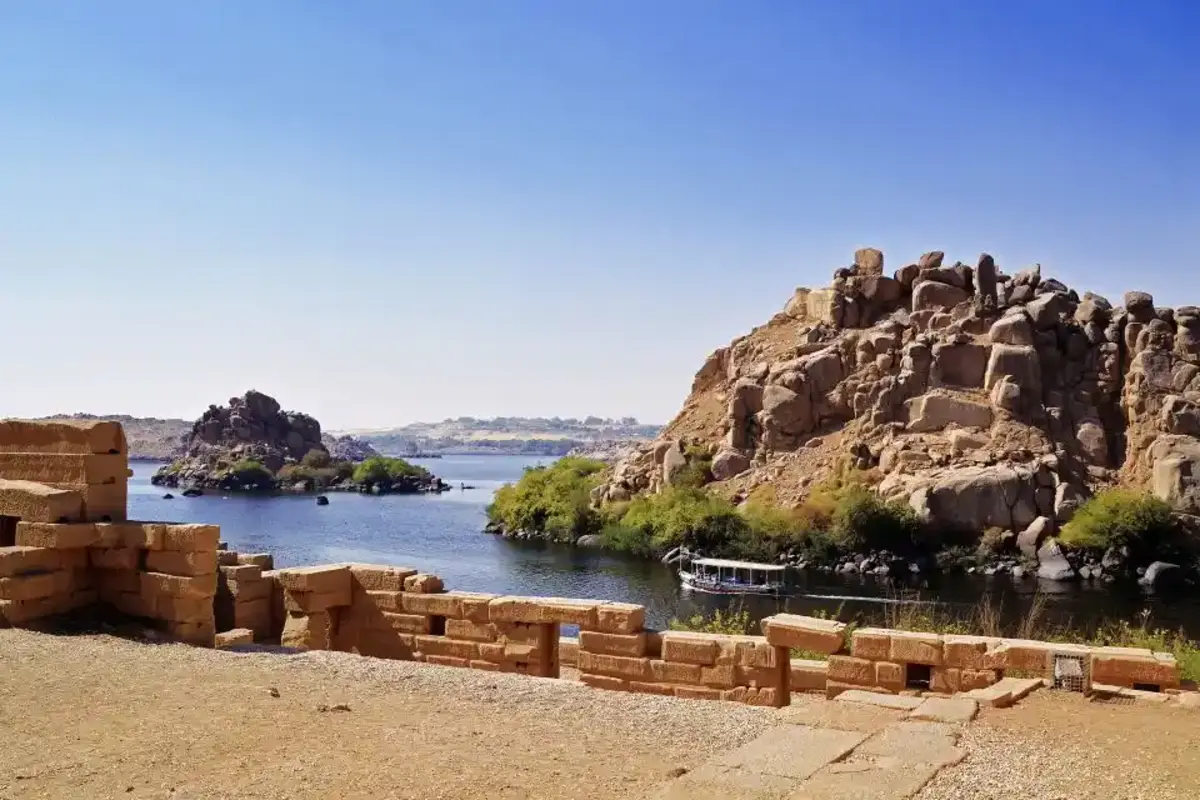
Panoramic Views of Lake Nasser
One of the most memorable experiences at the Aswan High Dam is standing atop the dam and admiring the vast waters of Lake Nasser.
Stretching more than 500 kilometers (310 miles), Lake Nasser is one of the largest man-made lakes in the world. Its calm blue waters contrast beautifully with the surrounding desert landscape, creating spectacular views and excellent photo opportunities.
Many Nile Cruise Packages that sail on Lake Nasser continue south to the magnificent Abu Simbel Temples, allowing travelers to experience both modern engineering and ancient Egyptian history in a single journey.
The Nile River
On the northern side of the dam, visitors can watch the mighty Nile River flowing toward Luxor, Esna, Edfu, Kom Ombo, and eventually Cairo.
Learning how the Aswan High Dam regulates the river's flow helps visitors better understand the importance of the Nile to Egyptian civilization, from the construction of Karnak Temple and Luxor Temple to the fertile farmland that still supports millions of Egyptians today.
The Friendship Monument
Near the center of the dam stands the impressive Egyptian-Soviet Friendship Monument, built to commemorate the cooperation between Egypt and the Soviet Union during the construction of the Aswan High Dam.
Its unique lotus-inspired design symbolizes friendship, peace, and the successful completion of one of the twentieth century's greatest engineering achievements. Visitors can climb the monument for panoramic views of both the dam and Lake Nasser.
Hydroelectric Power Station
The hydroelectric power station is one of the dam's most significant achievements.
Although access to some operational areas is restricted, visitors can learn how the turbines convert the Nile's flowing water into renewable electricity that powers homes, factories, schools, and businesses throughout Egypt.
This modern engineering achievement complements visits to nearby historical attractions such as Philae Temple and the Unfinished Obelisk, highlighting Egypt's remarkable journey from ancient civilization to modern nation.
Lake Nasser
The creation of Lake Nasser dramatically transformed southern Egypt.
Beyond supplying water for agriculture and drinking, the lake supports commercial fishing, wildlife habitats, and tourism. It is also home to several important archaeological sites rescued during UNESCO's international campaign, including the Temple of Kalabsha and the world-famous Abu Simbel Temples.
Travelers interested in ancient Nubia often combine a visit to Lake Nasser with the Nubian Museum, where fascinating exhibits explain the region's history, culture, and the relocation of entire communities following the construction of the dam.
UNESCO Rescue Story
One of the most fascinating stories connected to the Aswan High Dam is the international effort to save Egypt's ancient monuments from rising waters.
During the 1960s, UNESCO launched one of the largest archaeological rescue operations in history. Monumental temples, including Abu Simbel Temples and Philae Temple, were carefully dismantled, relocated, and reconstructed on higher ground before Lake Nasser was filled.
This extraordinary achievement preserved some of Egypt's greatest treasures for future generations and remains one of UNESCO's greatest conservation successes.
Why Visit the Aswan High Dam?
The Aswan High Dam offers visitors a unique perspective on Egypt's past, present, and future. While iconic sites such as Karnak Temple, Valley of the Kings, Kom Ombo Temple, and Philae Temple showcase the brilliance of ancient Egyptian civilization, the High Dam demonstrates how modern engineering transformed the country during the twentieth century.
Whether you're interested in history, geography, engineering, or photography, the dam provides breathtaking scenery and an inspiring story of innovation. Its panoramic views of Lake Nasser, fascinating historical significance, and proximity to attractions such as the Unfinished Obelisk, Nubian Museum, and Abu Simbel Temples make it an essential stop on any visit to Aswan.
Many travelers include the Aswan High Dam in Aswan Day Tours, Private Egypt Tours, Luxury Egypt Tours, and comprehensive Egypt Tour Packages, making it one of the city's most popular modern attractions.
Visitor Information
A visit to the Aswan High Dam is an essential part of exploring southern Egypt. Whether you're traveling on a Nile Cruise Package, joining an Aswan Day Tour, or following one of our Egypt Tour Packages, the dam is conveniently located near many of Aswan's top attractions, making it easy to include in a half-day or full-day sightseeing itinerary.
Location
The Aswan High Dam is located approximately 13 km (8 miles) south of Aswan city center, spanning the Nile River at the northern edge of Lake Nasser.
Most visitors combine the High Dam with nearby attractions, including Philae Temple, the Unfinished Obelisk, the Nubian Museum, and a boat trip to Elephantine Island. Travelers heading farther south often continue to the magnificent Abu Simbel Temples, while those on Nile Cruise Packages usually visit the dam before boarding or after disembarking their cruise.
Opening Hours
The Aswan High Dam is generally open every day.
Opening Hours
Daily: 7:00 AM – 5:00 PM
Opening times may vary during public holidays or official events, so it's always advisable to confirm current schedules before visiting.
Tickets
Entrance fees are set by the Egyptian Ministry of Tourism and Antiquities and may change periodically.
Ticket categories generally include:
- International adults
- International students (with valid student identification)
- Egyptian citizens and residents
Many Aswan Day Tours, Private Egypt Tours, and Historical Egypt Tours include entrance fees, transportation, and a licensed Egyptologist guide.
Best Time to Visit
The best time to visit the Aswan High Dam is between October and April, when temperatures are cooler and more comfortable for sightseeing.
For the best experience:
- Visit early in the morning for pleasant weather and fewer visitors.
- Enjoy panoramic photography during sunrise or late afternoon.
- Combine your visit with Philae Temple, the Unfinished Obelisk, and the Nubian Museum for a complete Aswan sightseeing experience.
- If you're planning a longer itinerary, continue your journey to Kom Ombo Temple, Edfu Temple, Luxor Temple, and Karnak Temple while traveling north on one of our Nile Cruise Packages.
How Long Should You Spend at the Aswan High Dam?
Most visitors spend 30 to 60 minutes exploring the dam and enjoying its panoramic viewpoints.
Travelers interested in engineering, modern Egyptian history, or photography may wish to spend more time learning about the construction of the dam, the creation of Lake Nasser, and the UNESCO campaign that saved Abu Simbel Temples and Philae Temple.
How to Get There
Visitors can reach the Aswan High Dam by:
- Taxi from Aswan city
- Private vehicle
- Guided Aswan Day Tours
- Private Egypt Tours
- Comprehensive Egypt Tour Packages
The dam is located on the main road leading to Abu Simbel, making it an easy stop before continuing south. Many visitors also combine the High Dam with a visit to the Temple of Kalabsha, one of Nubia's most impressive ancient monuments.
Travel Tips for Visiting the Aswan High Dam
To make the most of your visit:
- Wear comfortable walking shoes, as you'll be walking along viewing platforms.
- Bring sunscreen, sunglasses, and a hat, especially during the warmer months.
- Carry drinking water, particularly between May and September.
- Don't forget your camera—the views over Lake Nasser and the Nile River are spectacular.
- Visit with a licensed Egyptologist guide to better understand the history, construction, and impact of the dam.
- Combine your visit with Philae Temple, the Unfinished Obelisk, Nubian Museum, and Elephantine Island for a complete day of sightseeing in Aswan.
- If time allows, continue to the magnificent Abu Simbel Temples, one of Egypt's greatest archaeological treasures, or explore Kom Ombo Temple and Edfu Temple while cruising north toward Luxor.
Conclusion
The Aswan High Dam is a symbol of modern Egypt's ambition and innovation. While ancient monuments such as Philae Temple, Abu Simbel Temples, Kom Ombo Temple, and Edfu Temple reflect the achievements of the pharaohs, the High Dam showcases the engineering vision that transformed Egypt in the twentieth century.
From its breathtaking views over Lake Nasser to its vital role in flood control, irrigation, and renewable energy, the dam remains one of Egypt's most important landmarks. Whether you're exploring Aswan on a Private Egypt Tour, sailing on a Nile Cruise Package, or following one of our Egypt Tour Packages, the Aswan High Dam offers a unique perspective on the country's rich past and dynamic present.